 MeloAuto-Trusted PLC & DCS Parts Supplier
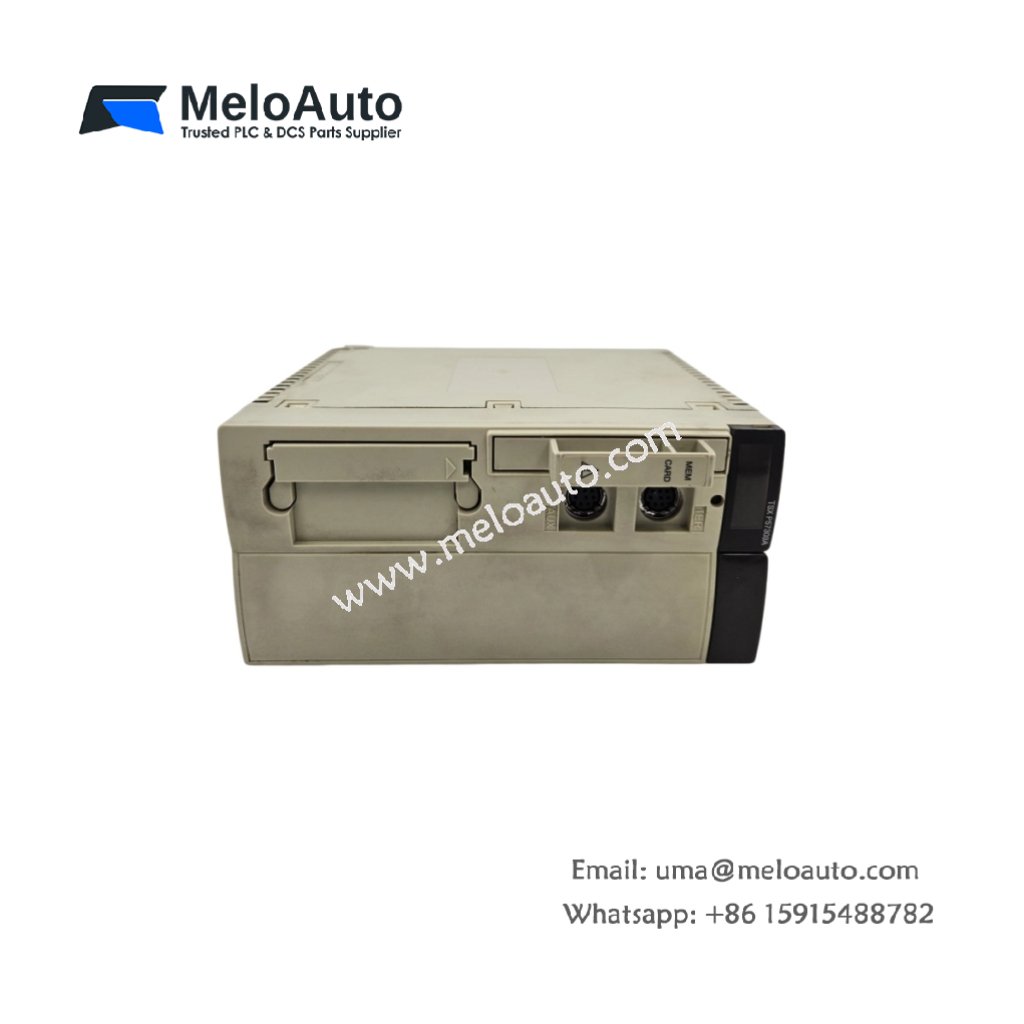
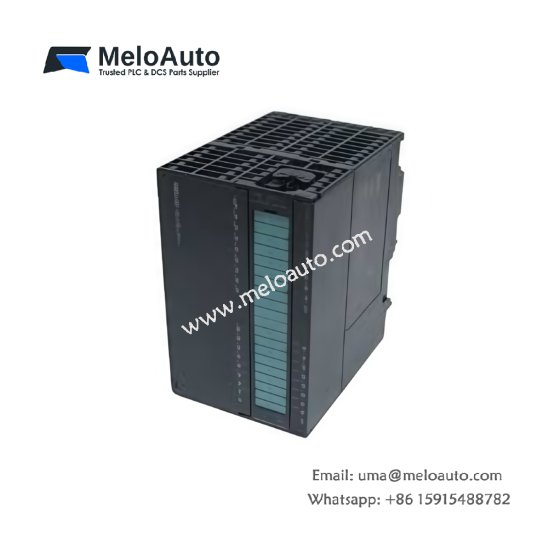
The Schneider TSXP57303A serves as a high-performance processor for Premium automation platforms. This double-format module executes PL7 programs with 1000 mA current capacity. Therefore, it powers complex industrial control applications with many I/O modules.
Product Overview
We designed this processor for demanding logic and motion control tasks. Its double-format size accommodates additional onboard memory and communication ports. Moreover, this unit supports hot-swappable memory cards for program storage.
Technical Specifications
| Parameter | Specification |
|---|---|
| Dimensions | 12.5 cm (height) x 24.0 cm (depth) x 8.5 cm (width) |
| Weight | 0.68 kg (approximately 1.50 lb) |
| Interface Type | 1 serial port, 1 USB port, 1 PCMCIA slot |
| Component Count | 284 components including CPU and memory ICs |
| Energy Storage | 4 aluminum capacitors (1000 µF, 16V) plus 2 supercapacitors |
| Current Output | 1000 mA on 5V rail for external modules |
| Processor | 32-bit RISC at 66 MHz |
| Memory | 2048 kB RAM, 2048 kB flash for user program |
| Execution Speed | 0.3 µs per logic instruction |
| I/O Capacity | Up to 256 local I/O points |
| Communication | Modbus RS-485 built-in |
| Backup Time | 60 days for internal RAM via supercapacitor |
Processing Architecture
The Schneider TSXP57303A uses a 66 MHz RISC processor for fast execution. Its four aluminum capacitors filter power for all onboard circuits. Additionally, two supercapacitors maintain RAM contents during power interruptions. You get reliable data retention without swapping batteries.
Energy Storage Configuration
Four aluminum capacitors provide 10 ms of hold-up during power dips. Two supercapacitors store energy for long-term RAM backup. Each supercapacitor provides 5 farads at 2.7V in series configuration. They maintain program and data integrity for up to 60 days. The processor needs no battery replacement during normal operation.
Power Output Specification
This processor supplies 1000 mA at 5V to connected I/O modules. You can power up to 16 standard analog or digital modules directly. Exceeding 1000 mA requires an external power distribution module. The processor monitors total current draw for overload protection. A red LED illuminates if the current exceeds the rated limit.
Installation Steps
Mount this processor into the first slot of a Premium rack. Align the Schneider TSXP57303A with the plastic guide rails on the backplane. Push the module firmly until its locking mechanism clicks into place. Then secure the module with the top and bottom retaining screws. Connect the programming cable to the front USB port for software transfer.
Memory Management
The onboard flash memory stores up to 2048 kB of user program code. The RAM holds data variables and system status information. A PCMCIA slot accepts optional memory cards for program backup. You can transfer programs between processors using these memory cards. The processor automatically loads from the PCMCIA card on power-up.
PL7 Programming Features
This processor executes PL7 programs written in ladder, structured text, or instruction list. It supports up to 256 program sections with independent execution rates. Online program modifications occur without stopping the control process. The processor features six hardware interrupts for time-critical events. Debugging tools include real-time variable monitoring and breakpoints.
Communication Capabilities
The built-in RS-485 port supports Modbus protocol for device networking. You can connect up to 31 slaves on a single multi-drop network. A separate USB port provides high-speed connection for programming. The processor also supports ASCII serial communication for barcode readers. Additional communication modules can attach to the rack for fieldbus networks.
Application Scope
This processor suits material handling and packaging machinery applications. Many factories use the Schneider TSXP57303A for conveyor control systems. Its robust design operates in ambient temperatures from 0°C to 60°C.





WeChat
Scan the QR Code with wechat