 MeloAuto-Trusted PLC & DCS Parts Supplier
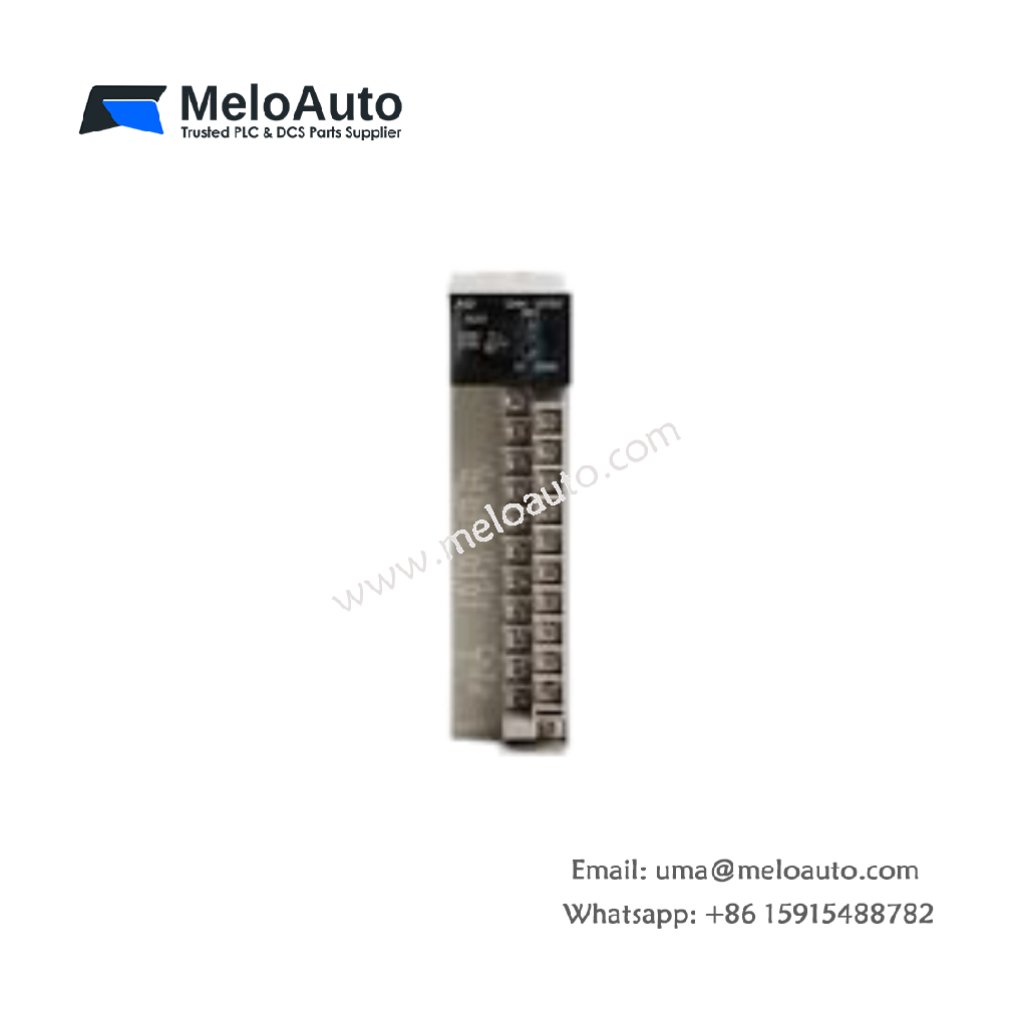
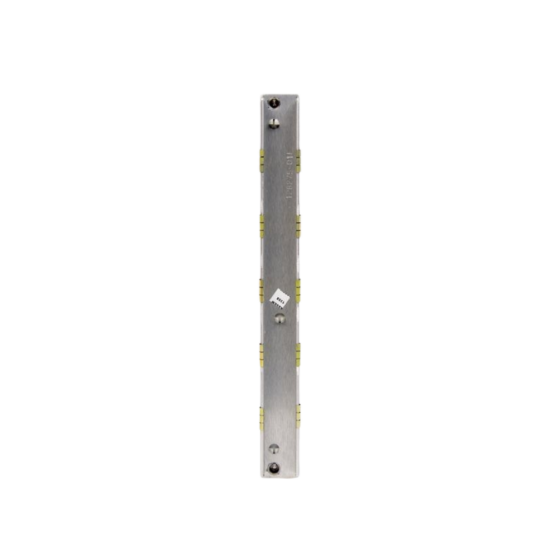
This CPU module serves as the central processor for FUJI MICREX-SX automation systems. It executes user application logic for industrial machine and process control. Therefore, it delivers reliable real-time control for manufacturing and production applications.
Physical and Processor Specifications
The FUJI NP1PU-256EZM measures 13.0 cm in length and 9.5 cm in width. Moreover, its module weight equals approximately 0.38 kg for rack mounting. A single 48-pin male connector links this CPU to the MICREX-SX backplane. Additionally, the processor includes built-in communication ports and memory expansion capability.
| Parameter | Specification |
|---|---|
| Brand | FUJI Electric |
| Full Model | NP1PU-256EZM |
| Category | CPU Module (MICREX-SX) |
| Dimensions (L x W x H) | 13.0 cm x 9.5 cm x 6.0 cm (5.12″ x 3.74″ x 2.36″) |
| Module Weight | 0.38 kg (0.84 lbs) |
| Backplane Interface | 1 x 48-pin Male Connector (MICREX-SX Rack) |
| Power Supply Input | 5 VDC from Backplane (0.9 A Typical) |
| Power Consumption | 4.5 W (Typical) |
| Processor Type | 32-bit RISC (40 MHz) |
| Program Memory | 256 kB RAM (Battery Backed) |
| Data Memory | 64 kB RAM (Retentive with Battery) |
| Backup Battery | Internal Lithium (3V, 5 Year Life) |
| Execution Speed | 0.2 µs per Boolean Instruction |
| Built-In Communication Ports | 1 x RS-232 (Programming) + 1 x RS-485 (Modbus RTU) |
| Supported Protocols | Modbus RTU (Master/Slave) + FUJI Proprietary |
| Baud Rate Range | 9600 to 115200 baud |
| Memory Expansion Slot | Yes (PCMCIA Type I) |
| Maximum Digital I/O | 1024 Points (with Expansions) |
| Maximum Analog I/O | 128 Channels (with Expansions) |
| Programming Software | MICREX-SX Standard or D300win |
| Programming Languages | Ladder Diagram (LD) + Instruction List (IL) + FBD + SFC |
| Task Types | Cyclic + Periodic + Event + Interrupt |
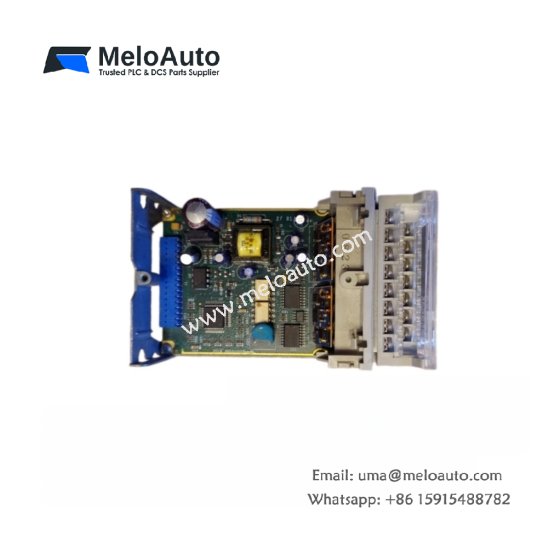
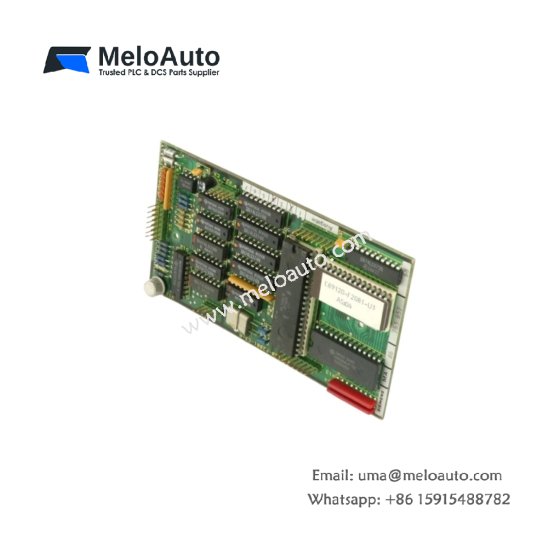
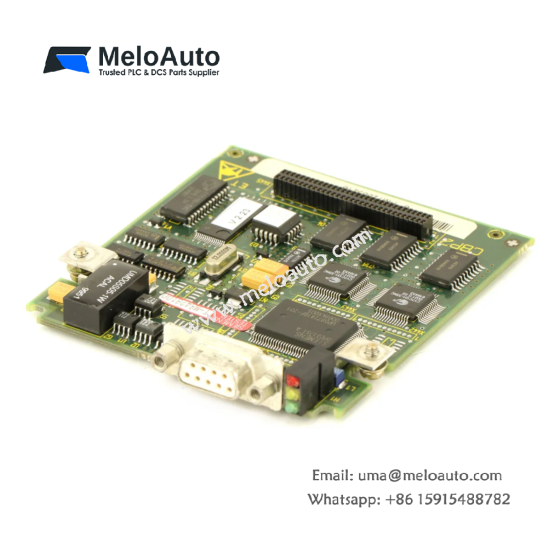
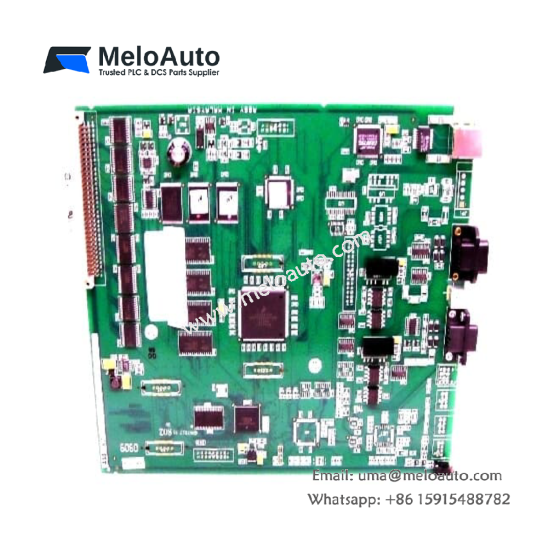
| On-Board Components | 1 CPU IC + 4 Memory Chips + 2 UARTs + 1 RTC + 2 Line Drivers + 6 Protection Diodes + 1 Voltage Regulator |
| Energy Storage | 3 x 100 µF Electrolytic Capacitors (35V) + 2 x 10 µF Tantalum (25V) + 1 x CR2032 Backup Battery |
| Battery Backup Time | 5 Years (Typical for RAM and RTC Retention) |
| Scan Time | 1 ms for 10 kB of Ladder Logic |
| Operating Temperature | 0°C to +55°C (32°F to 131°F) |
| Mounting Type | MICREX-SX PLC Rack (Single Slot) |
| Status Indicators | 1 Green LED (Power) + 1 Green LED (Run) + 1 Red LED (Fault) + 1 Yellow LED (Battery Low) + 2 Yellow LEDs (Port Activity) |
Processing Performance and Memory Architecture
The FUJI NP1PU-256EZM features a 32-bit RISC processor running at 40 MHz. Specifically, the 256 kB program memory stores complex ladder and SFC applications. In addition, the 64 kB data memory holds process variables and retentive values. Moreover, the execution speed of 0.2 µs per Boolean instruction ensures fast response. Furthermore, a lithium battery retains RAM contents for up to five years. Consequently, this CPU delivers high-performance control for demanding applications.
Communication and Expansion Capabilities
You will find two serial ports for programming and networking on this CPU module. For instance, the RS-232 port connects to a PC for program uploads using D300win software. In addition, the RS-485 port handles Modbus RTU communication with up to 31 slave devices. Moreover, the PCMCIA slot accepts memory cards for program backup or protocol expansion. Thus, this processor integrates seamlessly into MICREX-SX automation architectures.
Built-In Real-Time Clock and Task Management
This CPU module includes a real-time clock for time-stamped events. Specifically, the clock retains date and time during power loss using battery backup. In addition, the CPU supports cyclic, periodic, event, and interrupt tasks. Moreover, a built-in watchdog timer monitors program execution for faults. Therefore, the FUJI NP1PU-256EZM meets demanding response time requirements reliably.
Installation and Diagnostic Indicators
Seven LED indicators provide operational status at a glance on this module. First, a green Power LED lights when the 5 VDC backplane supply is present. Second, a green Run LED flashes during normal program execution. Third, a red Fault LED indicates hardware or software errors. Fourth, a yellow Battery Low LED warns when the backup battery needs replacement. Finally, two yellow Port Activity LEDs illuminate during data transmission or reception. Thus, you can diagnose system health instantly without external tools.





WeChat
Scan the QR Code with wechat