 MeloAuto-Trusted PLC & DCS Parts Supplier
Input Stage and Channel Configuration
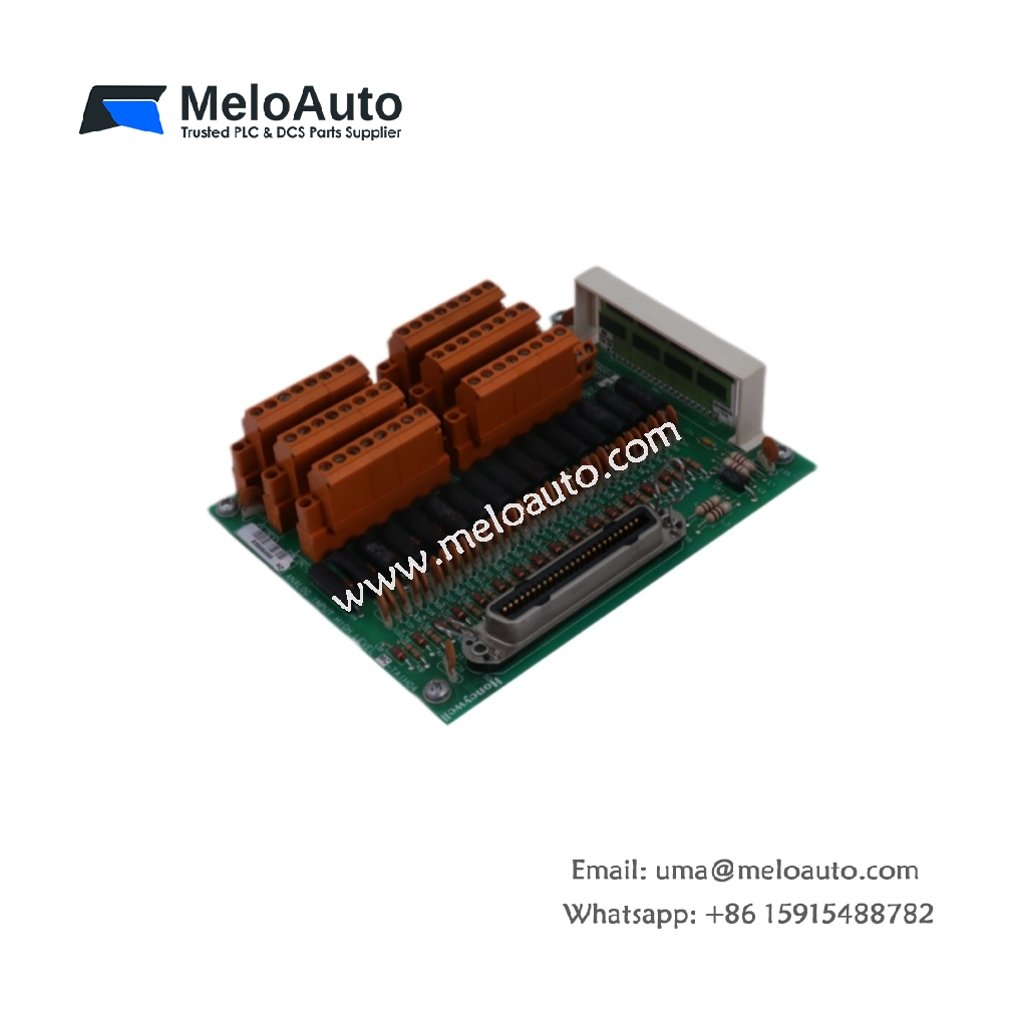
This analog input module provides high-precision measurement for four independent differential channels. Each channel accepts 4–20 mA current signals directly without external shunt resistors. The module also supports 1–5 VDC inputs through software configuration. A built-in 16-bit analog-to-digital converter delivers exceptional measurement resolution. This design suits temperature, pressure, and flow monitoring applications effectively.
Technical Specifications
| Parameter | Specification |
|---|---|
| Model Number | 51305900-175 MC-TAIH04 |
| Input Channels | 4 differential analog inputs |
| Resolution | 16 bits (1 LSB = 0.0025% of span) |
| Signal Types | 4–20 mA, 1–5 VDC, 0–10 VDC |
| Input Impedance (Current) | 250 Ω (internal shunt) |
| Input Impedance (Voltage) | 1 MΩ minimum |
| Accuracy | ±0.04% of reading at 25°C |
| Temperature Drift | ±40 ppm/°C maximum |
| Common Mode Voltage | ±12 VDC maximum |
| Common Mode Rejection | >100 dB at 50/60 Hz |
| Input Filtering | 2-pole low-pass filter (software selectable) |
| Conversion Time | 50 ms per channel (200 ms full cycle) |
| Channel Isolation | 1500 VAC channel-to-backplane |
| Current Consumption | 180 mA from 5 VDC backplane |
| Power Dissipation | 4.2 W maximum |
| Operating Temperature | 0°C to +60°C |
| Storage Temperature | –40°C to +85°C |
| Dimensions | 130 mm x 32 mm x 140 mm |
| Weight | Approximately 0.40 kg |
| Connection Interface | 40-pin ribbon cable connector |
| Status LEDs | 4 input status indicators + power LED |
Signal Acquisition and Processing
Each channel employs a precision delta-sigma ADC for low-noise measurement. The module performs automatic zero correction to eliminate offset errors. A programmable gain stage optimizes the signal range for each channel. The digital filter rejects 50 Hz and 60 Hz noise effectively. This approach guarantees stable readings in industrial environments with significant electrical interference.
Wiring and Field Termination
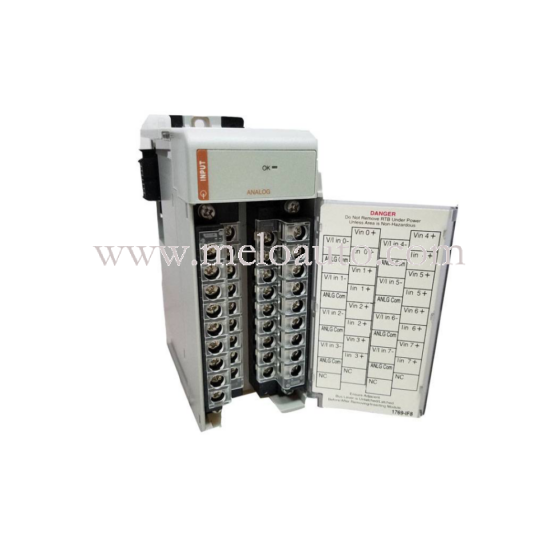
The 51305900-175 MC-TAIH04 terminates field signals through a 40-pin ribbon cable. Each differential input requires positive, negative, and shielded cable connections. The module provides a dedicated shield terminal for connecting cable drains. Use twisted-pair instrumentation cable for optimal noise rejection. Route field wiring away from high-power AC circuits to minimize interference.
Power Architecture and Energy Storage
This module draws 180 mA from the 5 VDC backplane supply under normal operation. Internal filter capacitors provide energy storage for momentary voltage dips. The module retains all configuration parameters in flash memory permanently. Total heat generation equals 4.2 W at full input load. This modest dissipation keeps cabinet temperatures manageable.
Module Installation Process
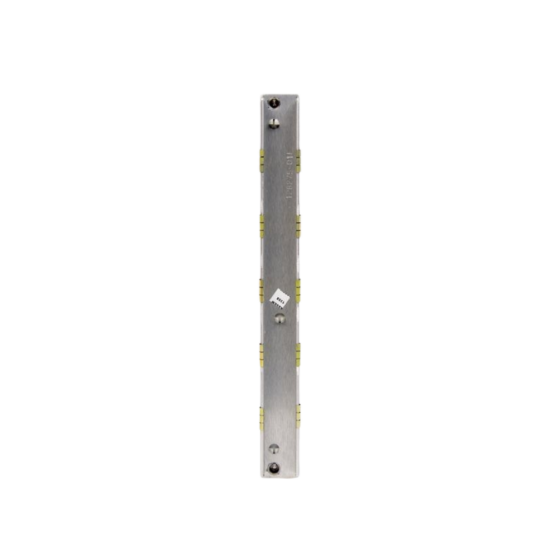
Insert the module into an available Series T I/O chassis slot. Press firmly until the ejector tabs snap into the locked position. Secure the module using the top and bottom retaining screws. Attach the field wiring harness after completing the installation. Confirm the power LED turns green upon system energization.
Environmental Tolerance and Durability
This module operates continuously in temperatures from 0°C to 60°C. It withstands non-condensing humidity between 5% and 95%. The conformal coated PCB resists dust, moisture, and mild chemical vapors. This robust construction guarantees reliable service in petrochemical plants and power stations. Ensure proper cabinet ventilation for extended product life.
Diagnostics and Preventive Maintenance
Front-panel LEDs illuminate to indicate each channel’s input activity status. The control software provides detailed diagnostic data for troubleshooting. Perform calibration verification using a precision current or voltage source. Replace the module if readings drift beyond specification limits. Document all maintenance activities for quality management records.






WeChat
Scan the QR Code with wechat