 MeloAuto-Trusted PLC & DCS Parts Supplier
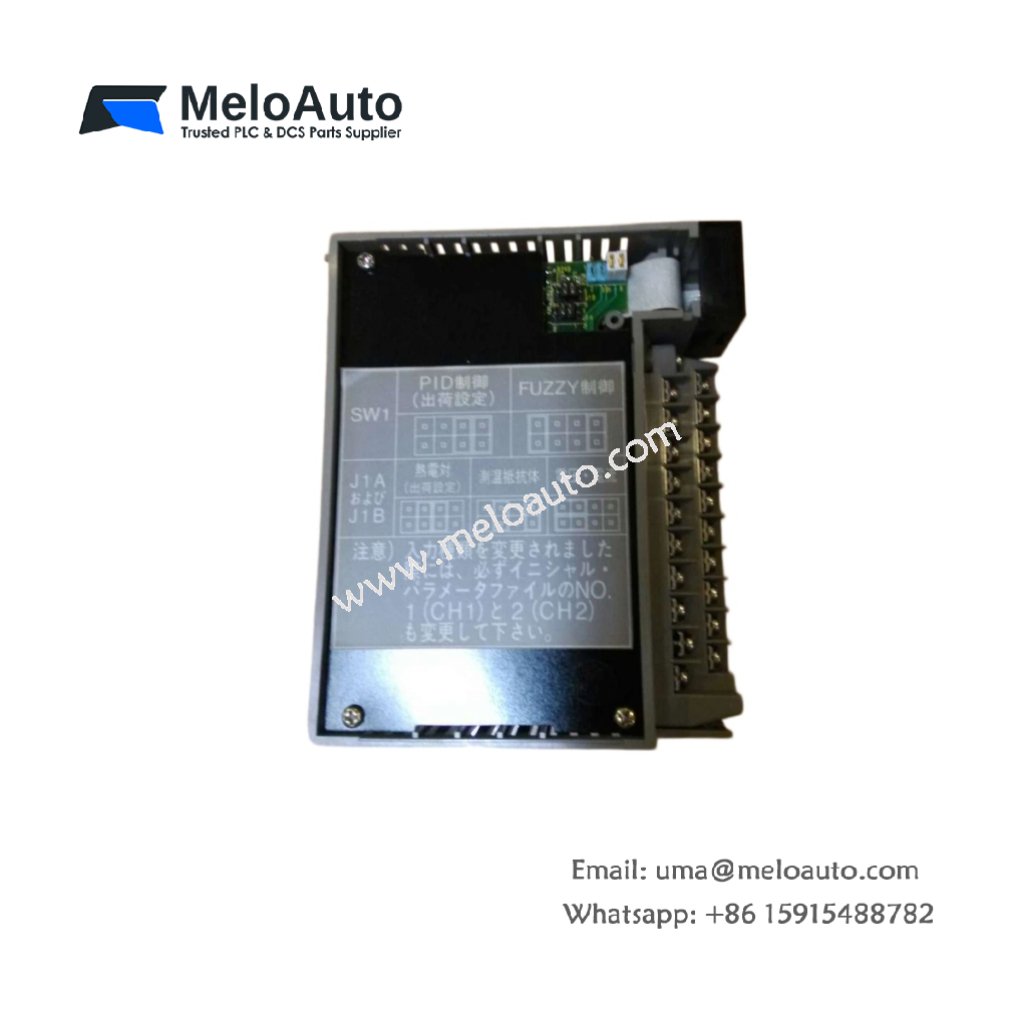
The Fuji NC1F-PY1 provides precise temperature regulation for heating applications. This module accepts thermocouple or RTD input signals directly. It delivers PID control outputs to maintain setpoint accurately. Process engineers trust this unit for plastic molding and heat treatment systems.
Complete Technical Specifications
| Parameter | Specification |
|---|---|
| Dimensions (W x H x D) | 82 mm x 90 mm x 55 mm |
| Weight | 0.27 kg |
| Number of Control Loops | 1 loop |
| Input Type | Thermocouple (K, J, T, R) or RTD (Pt100) |
| Input Range (K type) | -200°C to 1370°C |
| Output Type | 24V DC pulsed voltage |
| Output Current | 50 mA maximum |
| Control Method | PID with auto‑tuning |
| Sampling Rate | 250 ms |
| Internal Energy Storage | 100 µF capacitor |
| Operating Voltage | 5V DC from backplane |
| Power Consumption | 2 W typical |
| Accuracy | ±0.3% of full scale |
| LED Indicators | Heating (red), Alarm (yellow) |
Physical Layout and Connection Points
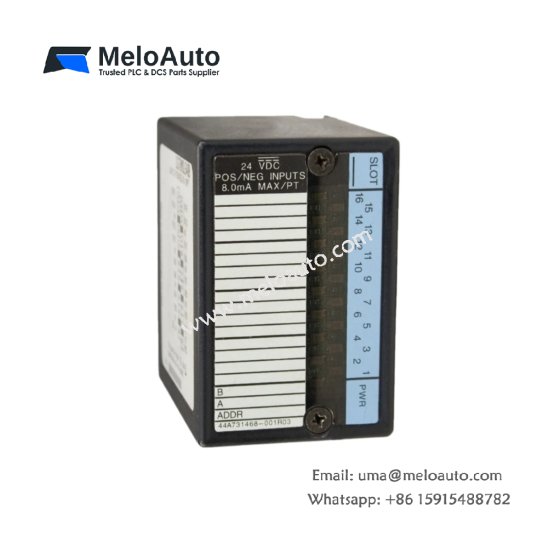
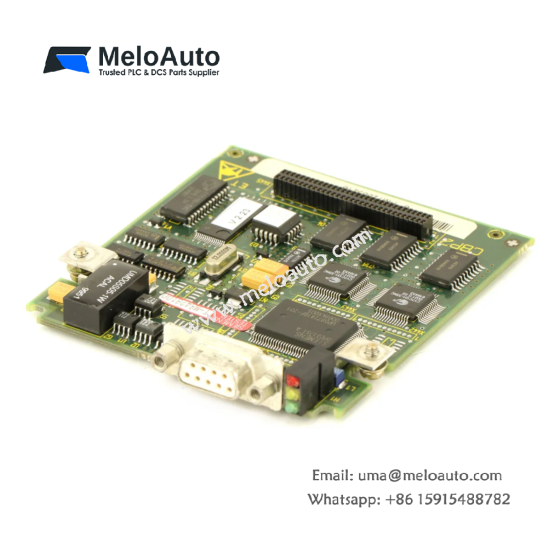
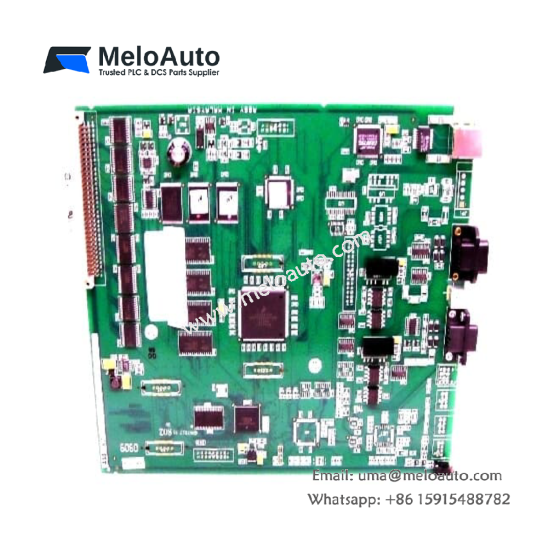
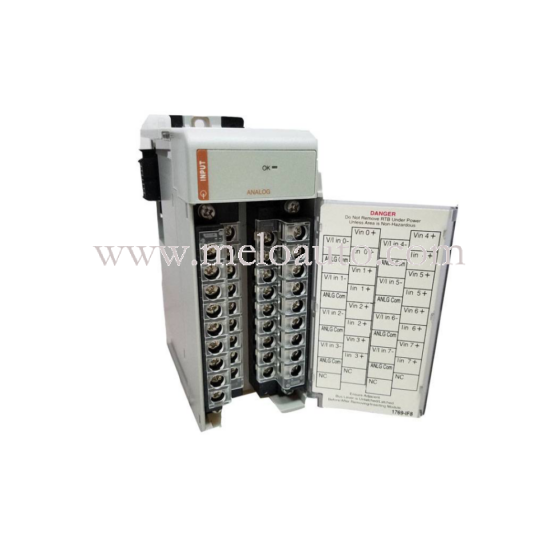
The Fuji NC1F-PY1 weighs only 0.27 kilograms for lightweight mounting. Its 82 mm width occupies a single slot on the base board. Two input terminals accept thermocouple or RTD wires directly. Two output terminals provide the pulsed control signal. A red LED illuminates during active heating periods. A yellow LED signals alarm conditions when triggered. A 100 µF capacitor filters supply voltage fluctuations.
Temperature Control Characteristics
This module accepts multiple thermocouple types including K, J, T, and R. It also works with Pt100 RTD sensors seamlessly. The sampling rate reaches 250 milliseconds for quick response. The PID controller includes an auto‑tuning function for easy setup. Therefore, the module learns the process dynamics automatically. The output provides a 24V DC pulsed signal for solid‑state relays.
Installation and Wiring Guidelines
Mount the Fuji NC1F-PY1 into any NC1 series base slot. First, disconnect system power completely before wiring. Then connect your thermocouple wires with correct polarity. Use extension grade wire for long sensor runs. Connect the output terminals to a solid‑state relay input. After wiring, apply power and configure the input type via software. Finally, run the auto‑tune function to calculate PID values.
System Integration and Application Notes
This temperature module works with NC1 series CPUs and power supplies. Typical applications include injection molding barrels and extrusion dies. The unit also suits packaging heat sealers and laboratory ovens. For multi‑zone systems, install one module per heating zone. The auto‑tuning feature saves significant setup time during commissioning.





WeChat
Scan the QR Code with wechat