 MeloAuto-Trusted PLC & DCS Parts Supplier
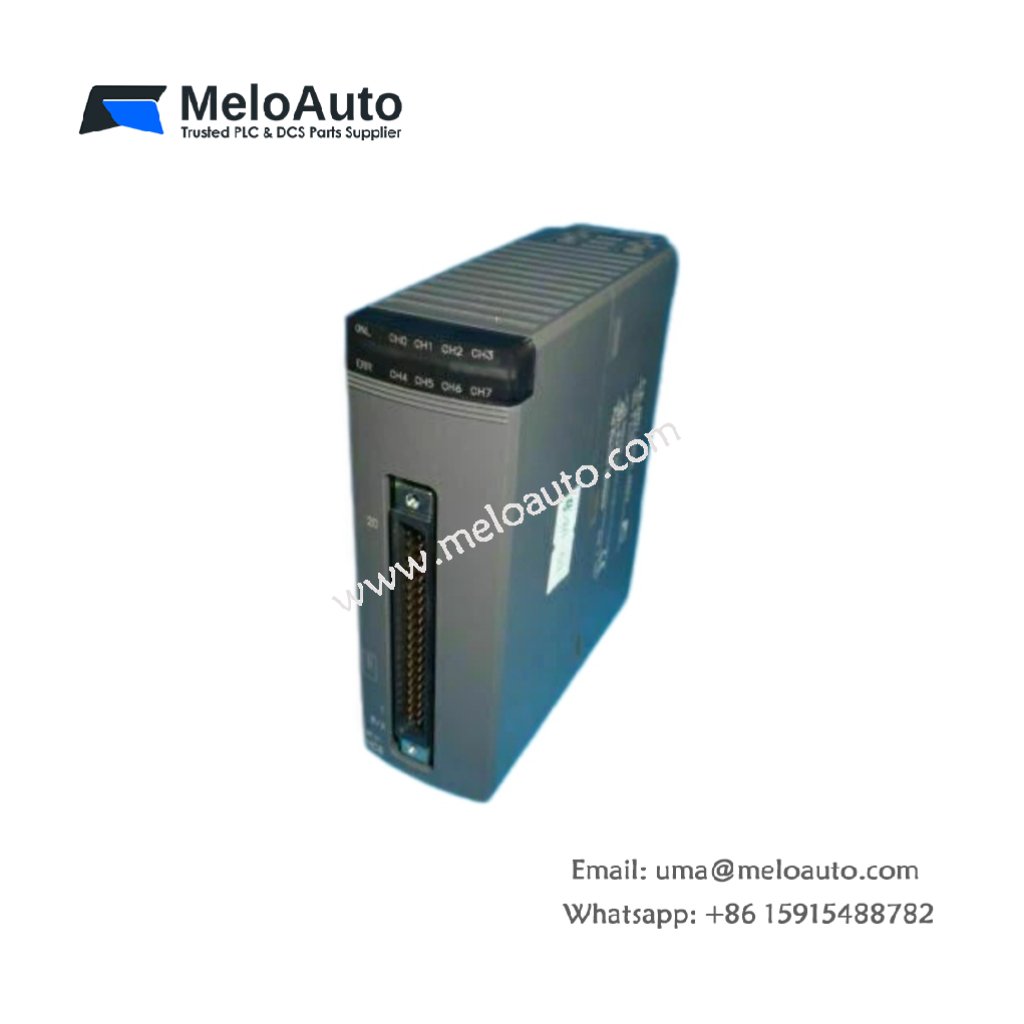
The Fuji NP1F-HC8 controls up to eight axes of motion simultaneously. This high‑performance module handles stepper and servo drives with precision. It connects directly to the NP1 series backplane for real‑time operation. Machine builders trust this unit for multi‑axis pick‑and‑place systems.
Complete Technical Specifications
| Parameter | Specification |
|---|---|
| Dimensions (W x H x D) | 136 mm x 110 mm x 85 mm |
| Weight | 0.58 kg |
| Number of Control Axes | 8 axes |
| Pulse Output Type | Differential line driver (RS‑422) |
| Maximum Output Frequency | 200 kHz per axis |
| Position Feedback | Incremental encoder (2 channels per axis) |
| Internal Memory | 32 KB for positioning data |
| Number of Positioning Points | 500 points per axis |
| Internal Energy Storage | 680 µF capacitor |
| Operating Voltage | 5V DC from backplane |
| Power Consumption | 4.5 W typical |
| Interface Type | 40‑pin ribbon cable per 4 axes |
| LED Indicators | Run, Error, Axis active |
Physical Layout and Connection Details
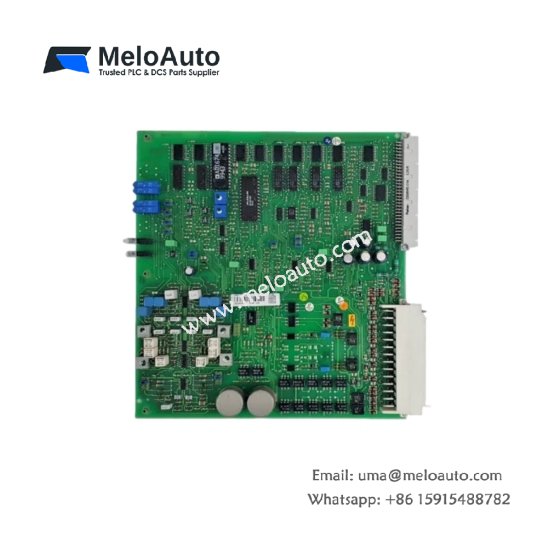
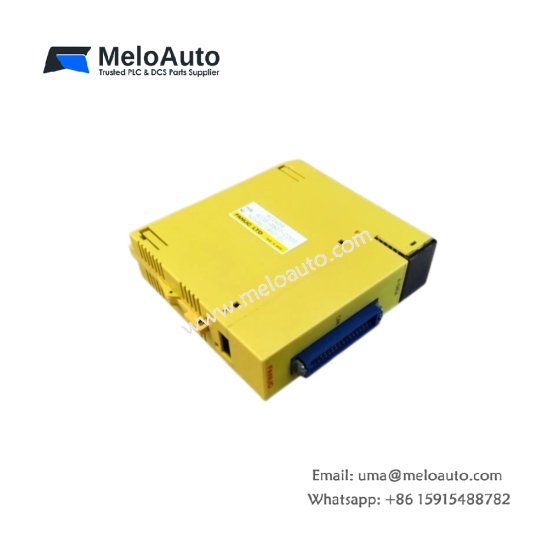
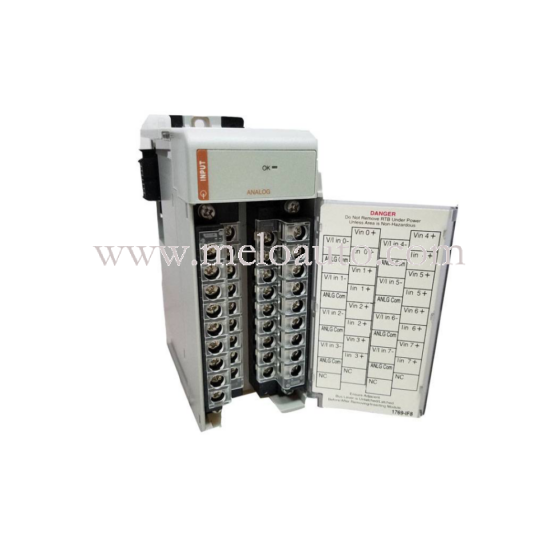
The Fuji NP1F-HC8 weighs 0.58 kilograms for secure mounting. Its 136 mm width occupies two slots on the base board. Two 40‑pin ribbon connectors serve four axes each. Each axis includes dedicated encoder feedback inputs. A 680 µF capacitor buffers supply voltage during peak demands. Four LED indicators show overall status and axis activity. The module uses a high‑speed processor for real‑time trajectory calculations.
Positioning Characteristics and Performance
This module outputs differential pulse trains at up to 200 kHz. Therefore, it achieves rapid axis movement for high‑speed applications. Each axis stores up to 500 individual positioning points. The internal memory holds 32 KB of motion profiles. Consequently, you can program complex sequences without a host controller. The module supports linear interpolation between two axes.
Installation and Wiring Guidelines
Mount the Fuji NP1F-HC8 into two adjacent NP1 base slots. First, disconnect system power completely before handling. Then attach the 40‑pin ribbon cables to their respective connectors. Connect each cable to a terminal block for field wiring. Wire the pulse and direction outputs to your servo drives. Then connect the encoder feedback wires for closed‑loop control. Finally, apply power and download your positioning data.
System Integration and Application Notes
This positioning module works with NP1 series CPUs and power supplies. It requires a CPU capable of handling motion commands. Typical applications include pick‑and‑place robots and assembly tables. The unit also suits CNC routers and dispensing machines. For systems with fewer axes, consider the 4‑axis version. The 500 points per axis allow complex part programs without interruption.



WeChat
Scan the QR Code with wechat