 MeloAuto-Trusted PLC & DCS Parts Supplier
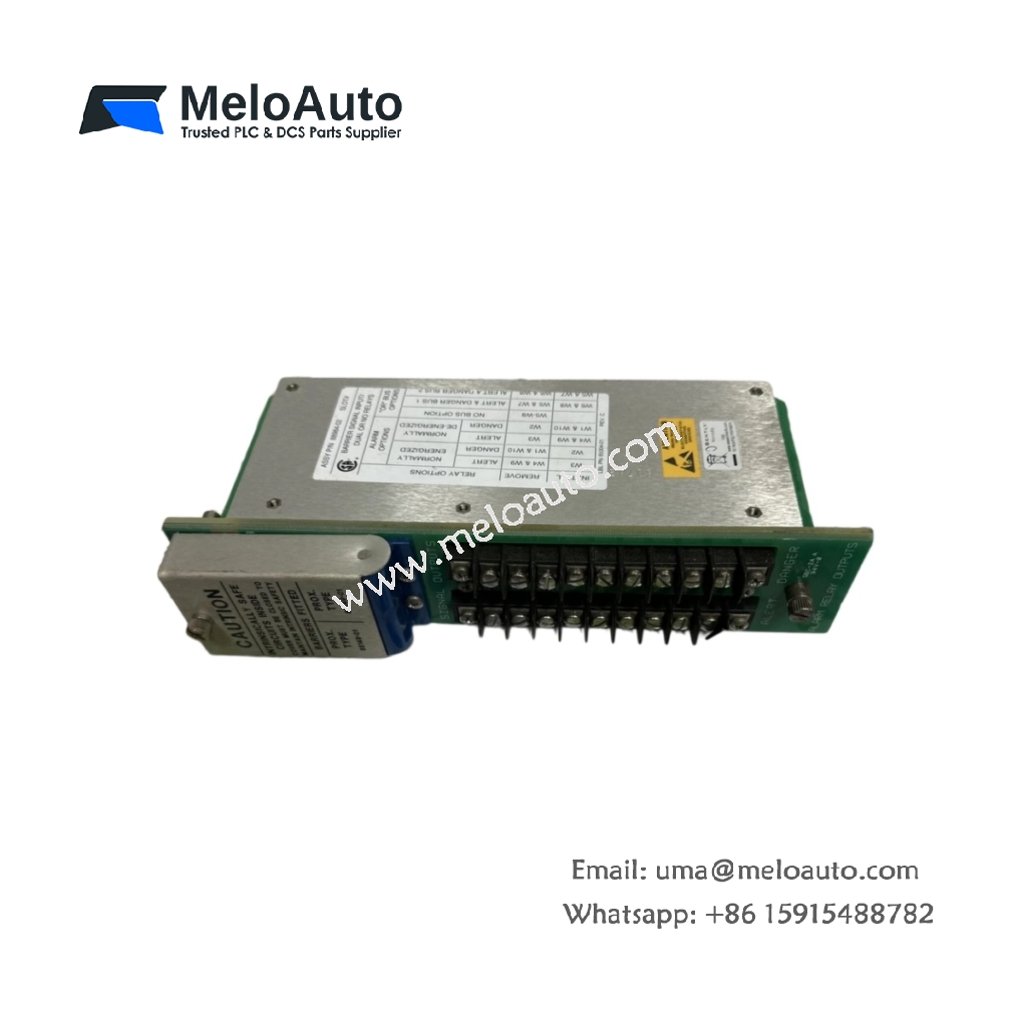
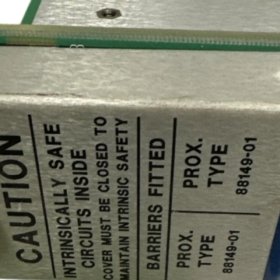
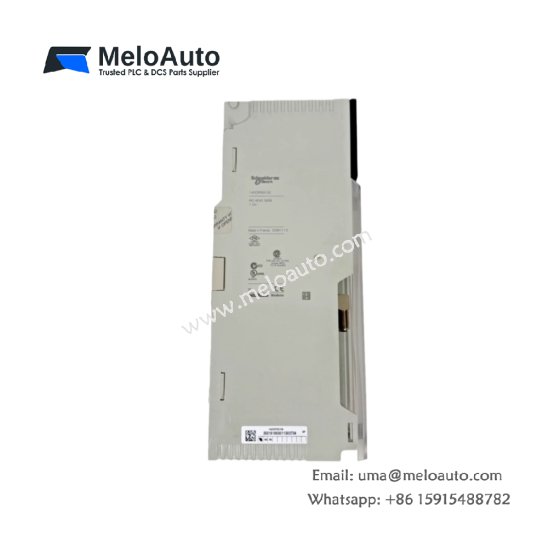
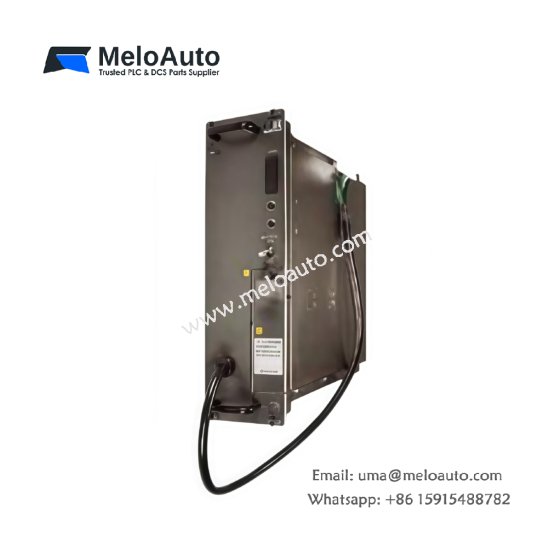
This seismic monitoring module detects vibration and shock events in rotating machinery. It converts accelerometer signals into digital readings for predictive maintenance systems. The unit provides early warning of mechanical degradation before catastrophic failure occurs.
Technical Specifications
| Parameter | Specification |
|---|---|
| Model Number | 88984-02 |
| Product Type | Seismic Monitoring Module / Vibration Sensor Interface |
| Supply Voltage | 24 V DC ±15% |
| Power Consumption | 8 W (maximum) |
| Input Channels | 4 x IEPE/ICP accelerometer inputs |
| Input Range | ±10 V (peak) |
| Frequency Response | 0.5 Hz to 10 kHz (±3 dB) |
| Resolution | 16-bit (including sign) |
| Dynamic Range | 90 dB (minimum) |
| Outputs | 4 x 4–20 mA (proportional to velocity or acceleration) |
| Alarm Outputs | 4 x relay (SPST, 1 A at 30 V DC) |
| Communication | 1 x RS-485 (Modbus RTU) |
| Status Indicators | 6 x LED (Power, 4 x Channel, Fault) |
| Mounting | DIN rail (TS 35) |
| Dimensions (W x H x D) | 70 mm x 120 mm x 115 mm |
| Weight | 0.55 kg |
Mechanical Construction and Installation
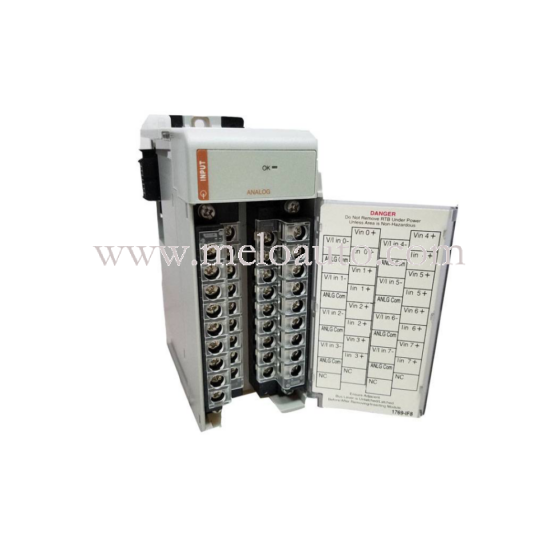
This monitoring module features a rugged metal housing suitable for harsh plant environments. Its 70 mm wide footprint accommodates four independent input channels. The unit weighs 0.55 kilograms and mounts securely on TS 35 DIN rails. All connections use screw-type terminals for reliable field wiring.
Power Supply and Electrical Requirements
The device operates from a 24 V DC supply with a ±15 percent tolerance. It consumes a maximum of 8 watts during full operation. The module includes reverse polarity and overvoltage protection. An internal DC-DC converter provides isolated power for sensor excitation.
Sensor Input and Signal Conditioning
Four IEPE/ICP accelerometer inputs connect directly to piezoelectric sensors. Each channel provides a constant current source of 4 mA for sensor power. The input range spans ±10 volts peak for versatile sensor compatibility. The frequency response covers from 0.5 Hz to 10 kHz for comprehensive vibration analysis.
Measurement Performance and Resolution
The 16-bit resolution delivers precise vibration measurement with excellent dynamic range. The dynamic range reaches 90 dB for capturing both small and large signals. The module processes each channel independently for simultaneous monitoring. This performance suits demanding predictive maintenance applications.
Output and Alarm Capabilities
Four 4–20 mA outputs provide proportional vibration signals to control systems. Users can configure each output for velocity or acceleration scaling. Four relay outputs trigger alarms when vibration exceeds preset thresholds. These relays offer normally open contacts rated at 1 ampere.
Communication and Data Access
An RS-485 port supports Modbus RTU for remote monitoring and configuration. This interface enables integration with SCADA and plant management systems. Users can read real-time vibration data and alarm status remotely. The module also stores peak values for historical trend analysis.
Diagnostic Features and Status Indication
Six front-panel LEDs provide immediate visual operational feedback. The Power LED confirms correct supply voltage application. Four Channel LEDs indicate signal activity for each input. The Fault LED signals any sensor or communication error. These indicators simplify troubleshooting and system validation.
Application Suitability
This seismic monitoring module serves critical rotating equipment across many industries. It works effectively with turbines, compressors, pumps, and generators. The device also monitors fans, blowers, and gearboxes. Its operating temperature ranges from -20°C to +65°C.






WeChat
Scan the QR Code with wechat