 MeloAuto-Trusted PLC & DCS Parts Supplier
Reliable Interconnection for Monitoring System Components
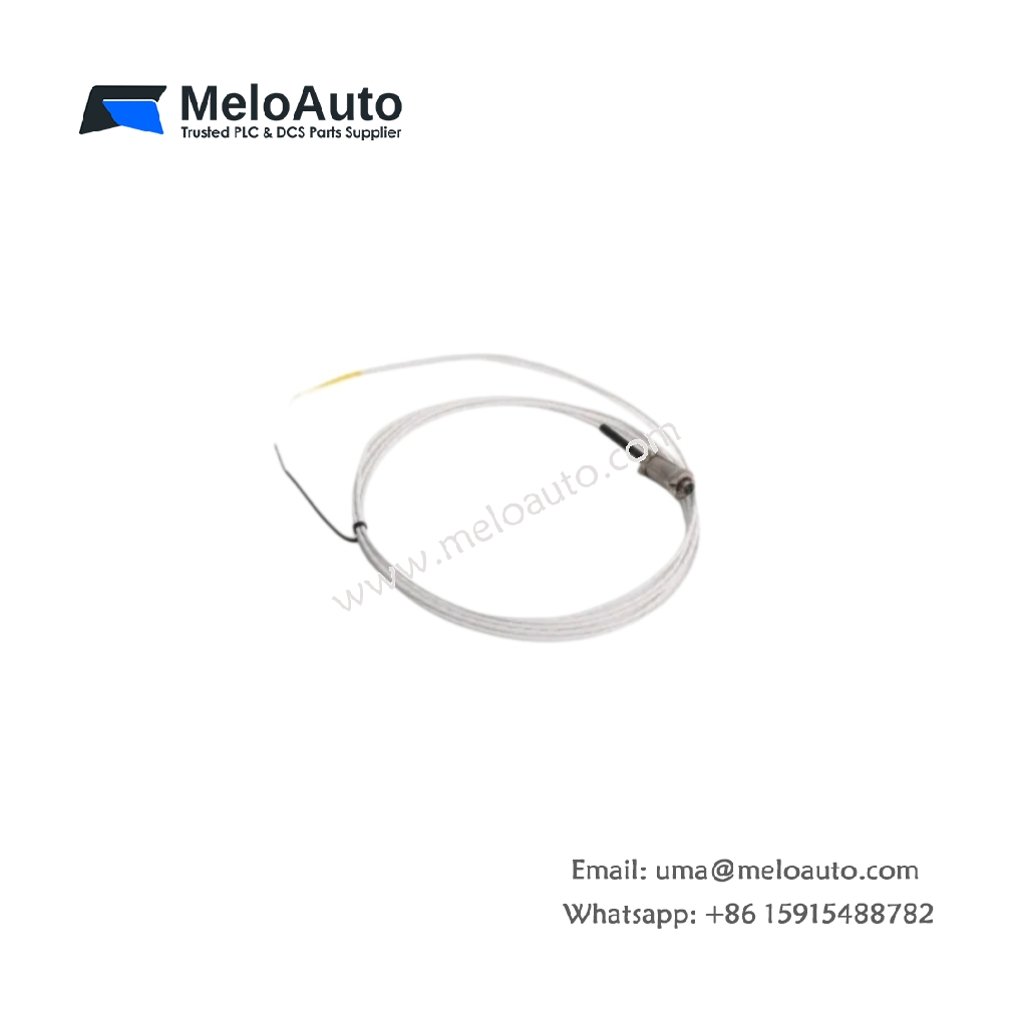
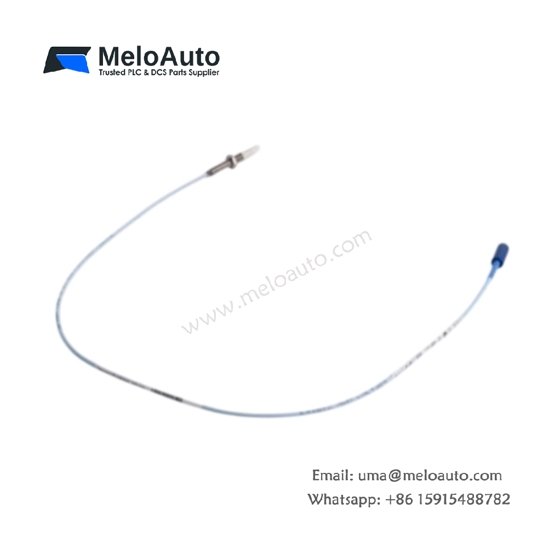
The Bently Nevada 16925-17 standard interconnect cable enables secure signal transmission between monitoring system modules. This 17-foot cable features high-quality coaxial construction that preserves signal integrity over its full length. Its durable PVC jacket resists oils, solvents, and mechanical abrasion in typical industrial environments. The cable terminates with standard BNC connectors on both ends for straightforward system integration. This interconnect forms a critical link in vibration monitoring chains for rotating machinery protection.
Electrical Performance and Signal Integrity
This interconnect cable maintains a characteristic impedance of 50 Ω and a capacitance of 160 pF per meter for consistent signal transfer. The conductor resistance stays below 0.5 Ω per meter, minimizing attenuation across the 17-foot span. Its braided copper shielding effectively rejects electromagnetic interference from nearby power cables and motors. The cable operates reliably across temperatures from -40°C to +105°C, suiting most industrial control room environments. Such performance characteristics ensure accurate transmission of displacement and vibration signals.
Detailed Technical Specifications
| Parameter | Specification |
|---|---|
| Cable Length | 17 feet (5.18 meters) |
| Cable Type | Coaxial |
| Impedance | 50 Ω |
| Capacitance | 160 pF/m |
| Conductor Resistance | <0.5 Ω/m |
| Operating Temperature | -40°C to +105°C |
| Jacket Material | PVC |
| Connector Type 1 | BNC male |
| Connector Type 2 | BNC male |
| Shielding | Braided copper |
| Outer Diameter | 4.8 mm |
| Minimum Bend Radius | 25 mm |
Connector Configuration and Compatibility
This cable features BNC male connectors at both ends for direct connection to monitoring system components. The connectors incorporate a bayonet locking mechanism that ensures secure mating and prevents accidental disconnection. This interconnect works seamlessly with Bently Nevada 3500 Monitoring Systems and 3300 XL Proximitors. The cable stores negligible internal energy, supporting safety requirements for control room installations. Users can employ this cable for both static gap and dynamic vibration signal routing.
Installation and Handling Guidelines
Installing this interconnect cable requires routing it through cable trays or conduits with a minimum bend radius of 25 mm. The BNC connectors tighten with a standard 5/16-inch wrench to ensure proper electrical contact. Regular inspections of the connectors and jacket will identify wear before it affects signal quality. Operators should avoid sharp bends and excessive tension during cable runs to maintain long-term reliability. This cable needs no periodic maintenance, though annual connector checks remain advisable.









WeChat
Scan the QR Code with wechat