 MeloAuto-Trusted PLC & DCS Parts Supplier
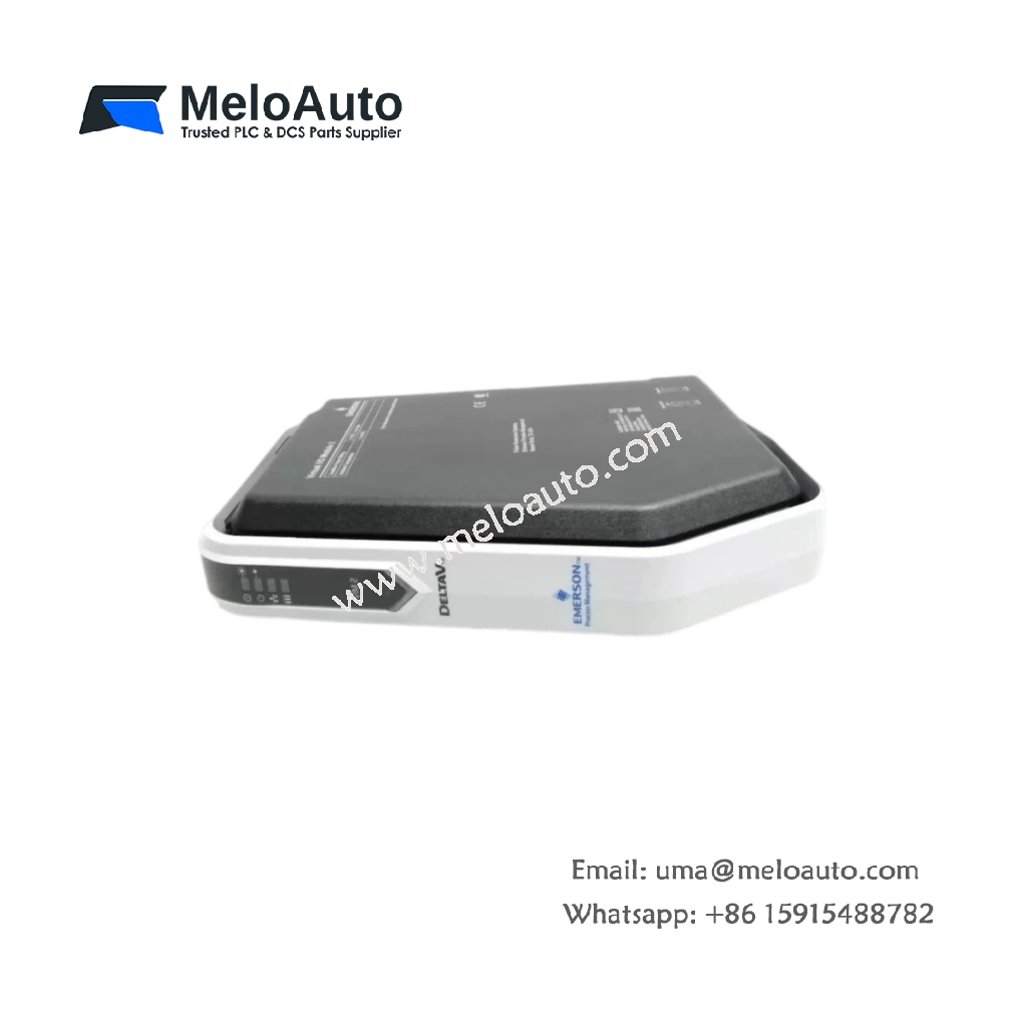
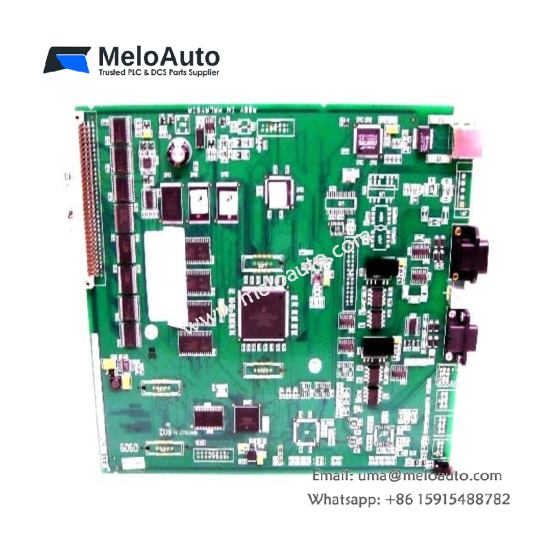
The KJ2006X1-BK2 SE4026 virtual I/O module from Emerson simulates field signals for DeltaV controller testing. This unit generates and reads virtual channels without physical field wiring. Engineers select this module when they need factory acceptance testing and loop checkout before commissioning.
Technical Specifications
| Parameter | Specification |
|---|---|
| Product Model | KJ2006X1-BK2 |
| Part Number | SE4026 |
| Module Type | Virtual I/O Module |
| Function | Signal simulation and virtual channel testing |
| Interface | Backplane connector, virtual channel mapping |
| Mounting | DeltaV chassis slot |
| Operating Temperature | 0°C to 60°C |
| Storage Temperature | -40°C to 85°C |
| Weight | Approx. 0.30 kg |
| Dimensions | Approx. 170 mm × 105 mm × 26 mm |
| Energy Storage | On-board capacitors for power rail filtering |
| Component Count | Multiple virtual input and output channels |
Interface and Simulation Details
The KJ2006X1-BK2 connects to the chassis backplane through a dedicated connector and maps virtual channels to controller tags. The module generates simulated input values and captures output commands for verification. Therefore, technicians gain full loop testing without field devices or wiring. The unit occupies one chassis slot and draws power from the shared rail.
Physical and Environmental Parameters
The module measures roughly 170 mm by 105 mm by 26 mm and weighs about 0.30 kg. Its compact housing fits test racks and production cabinets alike. Meanwhile, the 0°C to 60°C operating range covers typical control room conditions. The on-board capacitors filter the power rail and absorb transient spikes.
Why This Module Matters
Plant teams value the KJ2006X1-BK2 for its virtual testing capability and simple installation. The simulation features cut commissioning time on new projects. As a result, loop checks finish faster and startup risks drop. Technicians also appreciate the clear channel mapping and quick slot access.






WeChat
Scan the QR Code with wechat