 MeloAuto-Trusted PLC & DCS Parts Supplier
Siemens’ Long-Term Collaboration with UC
Siemens has maintained a strong partnership with the University of Cincinnati (UC) for over 50 years. This collaboration began in the 1960s when UC professors founded the Structural Dynamics Research Corporation (SDRC), which eventually became part of Siemens Digital Industries Software. Initially, SDRC specialized in dynamic simulation and vibration analysis, offering mechanical engineering consultancy. Over time, it developed early Computer-Aided Design (CAD) and Computer-Aided Engineering (CAE) software, which set the stage for modern industrial automation solutions.
According to Mohsen Rezayat, PhD, chief solutions architect at Siemens, “Siemens’ partnership with UC reflects our company’s roots and our commitment to cultivating engineering talent.” This historical collaboration demonstrates Siemens’ expertise and authority in industrial automation and simulation software.
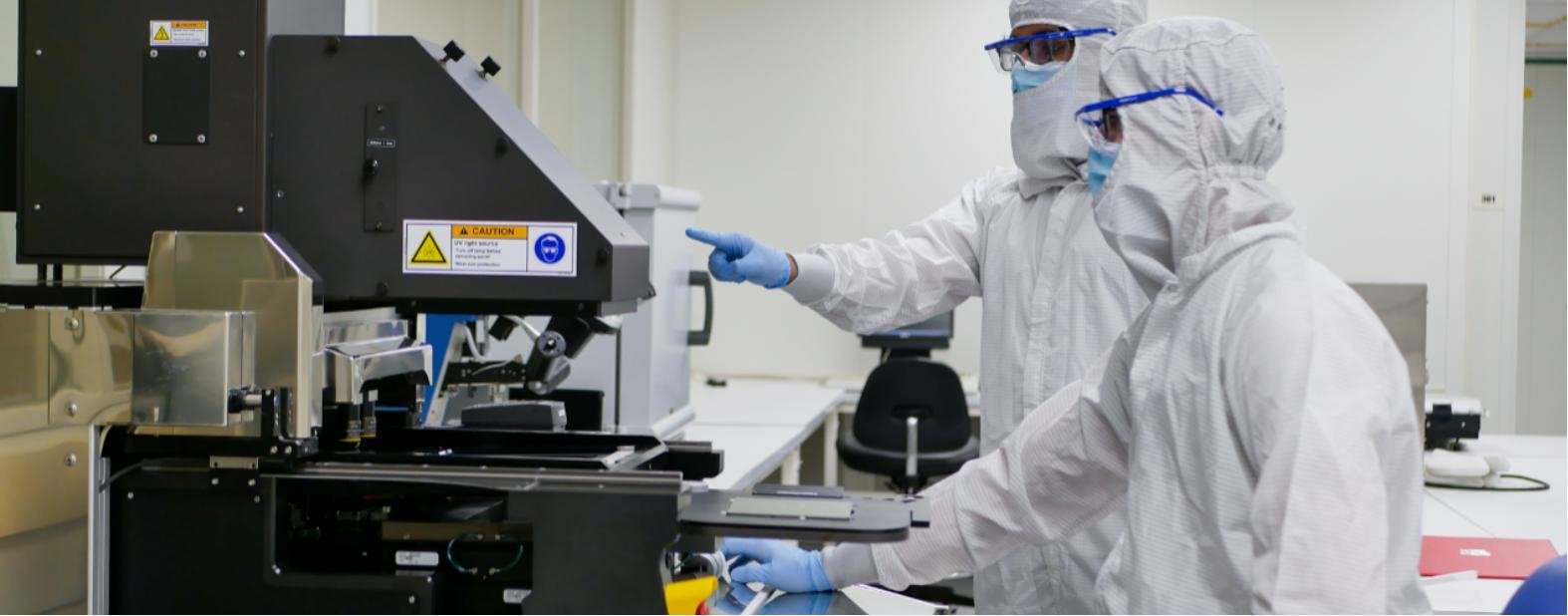
Discover how Siemens partners with the University of Cincinnati to train engineers in industrial automation, PLC, DCS, and factory automation through co-op programs and advanced simulation software.
Enhancing Engineering Education Through Co-Op Programs
Siemens actively trains the next generation of engineers through UC’s cooperative education (co-op) program. In this program, students alternate between classroom study and full-time work at Siemens facilities. Between 2020 and 2024, Siemens hosted 242 UC co-op students, many of whom transitioned into full-time roles after graduation.
During co-op, students gain hands-on experience in software development, quality assurance, project management, and automation control systems. As a result, UC graduates enter the workforce with practical skills that complement their academic knowledge, bridging the gap between theory and industrial application.
Siemens Simulation Technology Center at UC
In 2016, Siemens established the Simulation Technology Center at UC, enhancing students’ exposure to complex industrial systems. The center supports research projects, real-world problem solving, and simulation of dynamic systems. Students use software to model, analyze, and test automated processes, which mirrors the real-world challenges in factory automation and control systems.
John “Marty” Emmert, PhD, interim dean at UC, highlighted that Siemens helps students “connect classroom learning with real-world experience,” strengthening the credibility and effectiveness of UC’s engineering programs.
Advanced Software for Product Lifecycle and Electronic Design
Siemens provides UC with Product Lifecycle Management (PLM) and Electronic Design Automation (EDA) software. This allows students to simulate semiconductor and chip designs digitally before physical manufacturing. By testing virtually, students reduce errors, minimize waste, and enhance production efficiency—key aspects of modern industrial automation and factory design.
Joanna Pritchard, PhD, head of academic engagement at Siemens, stated, “Broadening software access helps faculty teach practical skills while preparing students for future industrial roles.” This hands-on approach develops both technical expertise and trustworthiness in Siemens’ solutions.
Application in Student Projects and Formula SAE
UC students also apply Siemens software in practical projects, such as the Bearcats Motorsports Formula SAE team. They simulate lap performance, gather data, and refine car designs before physical testing. This illustrates how simulation tools not only teach theory but also improve automation design, testing, and optimization skills.
Moreover, using software in student projects familiarizes them with industry-standard tools, enhancing their marketability in the competitive industrial automation and semiconductor sectors.
Training for Semiconductor Industry Through OASiS
Siemens’ software also supports the Ohio Alliance on Semiconductors and Integrated Scalable Manufacturing (OASiS) program. UC collaborates with multiple universities to train students in advanced electronic materials, devices, and circuits. The EDA software allows learners to gain hands-on semiconductor design experience, meeting the projected U.S. demand for 100,000 skilled workers by 2030.
Marc Cahay, PhD, head of UC’s Electrical and Computer Engineering Department, emphasized that students trained on EDA software are “highly marketable and ready for industrial automation challenges.”
Expanding Access to Under-Resourced Universities
Siemens and UC aim to make software access available to students from community colleges and under-resourced institutions, broadening educational equity. According to Rezayat, “Positioning UC as a software hub encourages more students to gain exposure to advanced tools and campus resources,” strengthening both the university’s reputation and industry readiness.
Author’s Insight
Siemens’ collaboration with UC exemplifies a successful model of industry-academia partnership. By integrating co-op programs, simulation centers, and advanced software, students gain practical and theoretical expertise in industrial automation, PLCs, DCS, and control systems. For B2B industrial audiences, this ensures a steady pipeline of well-trained engineers ready to implement modern factory automation solutions.
Application Scenarios
- Industrial Automation Training: Co-op students gain experience in PLC and DCS implementation.
- Simulation-Based Learning: Modeling dynamic systems to predict real-world performance.
- Semiconductor Design: EDA software enables virtual testing before manufacturing.
- Student Engineering Projects: Formula SAE teams optimize designs using Siemens tools.
- Industry Collaboration: OASiS program prepares talent for semiconductor and automation companies.

WeChat
Scan the QR Code with wechat