 MeloAuto-Trusted PLC & DCS Parts Supplier
Industry Leaders Gather to Explore Advanced Factory Automation
Rockwell Automation hosted the 34th Automation Expo in Chicago, drawing over 15,000 professionals from manufacturing, energy, construction, and technology sectors. The event focused on transforming industrial operations through software-defined automation, artificial intelligence (AI), and autonomous control systems. Attendees accessed over 250 educational sessions across automotive, battery, food and beverage, life sciences, mining, energy, OEM, and water/wastewater industries.
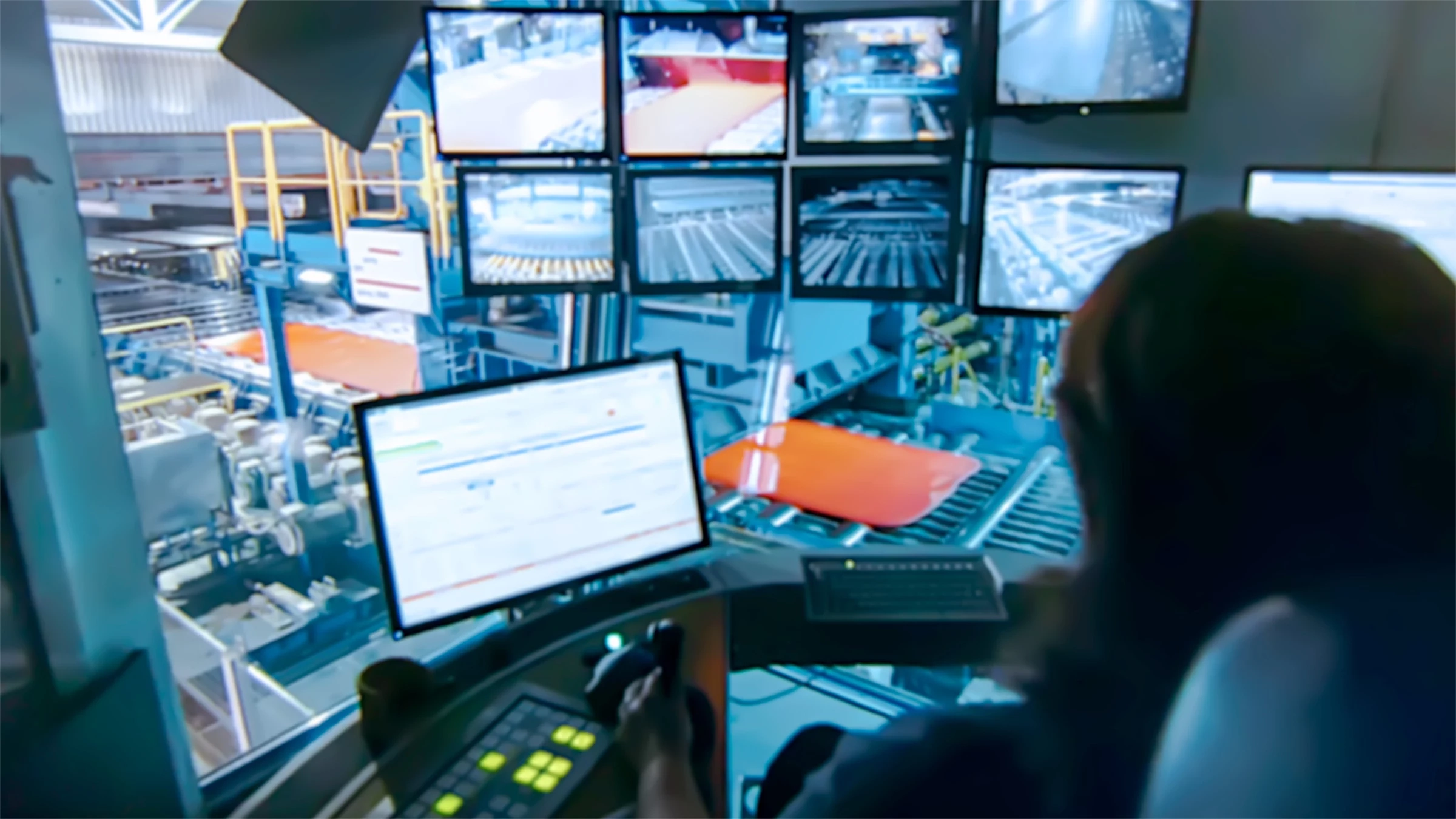
Rockwell Automation 2025 Expo highlights AI, robotics, PLCs, DCS, digital twins, and autonomous factory automation solutions.
Automotive and Battery Sector: Navigating Industry Transformation
The session “Automotive Perspectives: Policy Shifts and Manufacturing Automation” highlighted challenges faced by vehicle manufacturers. Speakers included Craig Resnick (ARC Advisory Group), Mark Barrott (Plante Moran), James Glasson (Rockwell Automation), and Bill Sarver (Rockwell Automation Smart Manufacturing).
Manufacturers now confront regulatory changes, reduced EV tax incentives, tariffs, fragmented supply chains, and increasing operational complexity. Consequently, resilient and transparent production networks are critical to maintain competitiveness. Digital threads, end-to-end data visibility, and AI optimization are essential for controlling variability, improving predictability, and reducing warranty and recall costs.
Author Insight: Advanced factory automation technologies not only improve product quality but also provide measurable ROI, enabling manufacturers to respond proactively to market and regulatory changes.
Transitioning from Traditional Automation to Autonomous Systems
Keynote speakers Blake Moret (CEO), Cyril Perducat (SVP & CTO), Matheus Bulho (SVP Software & Control), and Tessa Myers (SVP Intelligent Devices) emphasized software-defined automation and embedded AI as the future of industrial operations.
Core trends include:
- Implementation of self-learning, self-optimizing production systems.
- Digital twins for simulation, design, and real-time operational decisions.
- Integration of AI with software-defined control for adaptive manufacturing.
- Deployment of autonomous material handling and AI-enabled visual inspection.
- Unified factory operations integrating robotics, autonomous mobile robots, and smart logistics.
Manufacturers also prepare for a digitally skilled workforce, hybrid learning, and tools allowing operators to supervise multiple assets simultaneously.
Author Insight: Firms adopting AI-enabled factory automation can achieve higher operational efficiency while improving safety and workforce productivity.
Panel Discussion: Building the Next-Generation Factory
Industry experts from automotive, mining, construction, and consumer goods discussed operational flexibility and autonomy. Participants included Alberto Gomez (P&G), Ann Especk (Bechtel), Gaetano Cantalupo (Lucid Motors), and Rafael Bettel (Vale).
Key topics included:
- Human-centered transformation emphasizing employee empowerment.
- Stabilizing processes before automation to ensure scalable systems.
- Implementing predictive maintenance, contactless quality control, and automated material handling.
- AI-driven monitoring to reduce downtime, increase throughput, and improve safety.
- Modular factory design for rapid product introductions and production adjustments.
Author Insight: Autonomous systems aim to redefine operational roles rather than replace workers, promoting safety, productivity, and higher-value task focus.
Strategic Expansion: New Wisconsin Manufacturing Campus
Rockwell Automation announced plans to build a new manufacturing campus in southeastern Wisconsin, exceeding one million square feet. The facility will integrate advanced automation, robotics, autonomous material transport, AI optimization, digital twin simulation, and unmanned warehouse operations.
This investment reinforces Rockwell Automation’s commitment to scalable U.S.-based manufacturing, operational resilience, and supporting complex production demands.
Author Insight: Localized, technology-driven manufacturing facilities enhance supply chain reliability and support flexible production strategies.
Executive Insights: Operational Transformation and AI Readiness
Executives discussed supply chain strategy, cybersecurity, energy optimization, and workforce development for AI-enabled operations. Rockwell demonstrated how digital design, virtual commissioning, autonomous material handling, and energy management improve efficiency, quality, and throughput.
Key outcomes include:
- Adoption of digital-first factory designs with Emulate-3D and virtual simulations.
- Replacement of manual material handling with autonomous robotic systems.
- AI-driven monitoring to optimize energy and operational efficiency.
- Structured approaches to operational excellence, process optimization, and network reorganization.
Author Insight: Integrating AI and autonomous systems with digital twins provides measurable operational improvements and real-world case validation for manufacturers.
Conclusion: Technology and Workforce Shape the Future of Industrial Automation
The 2025 Automation Expo confirmed that future manufacturing success depends on combining advanced industrial automation technologies with skilled, digitally competent personnel. Key trends include cybersecurity, AI-enabled maintenance, flexible factory automation, and sustainable operations. Rockwell Automation highlighted solutions that empower manufacturers to transition to next-generation industrial operations while remaining competitive in a global market.
Application Scenarios for Industrial Automation
- AI-based predictive maintenance in automotive production lines.
- Autonomous material handling and warehouse management for FMCG.
- Modular factory designs for quick product introduction in electronics manufacturing.
- Digital twin-enabled process optimization in chemical or energy plants.

WeChat
Scan the QR Code with wechat