 MeloAuto-Trusted PLC & DCS Parts Supplier
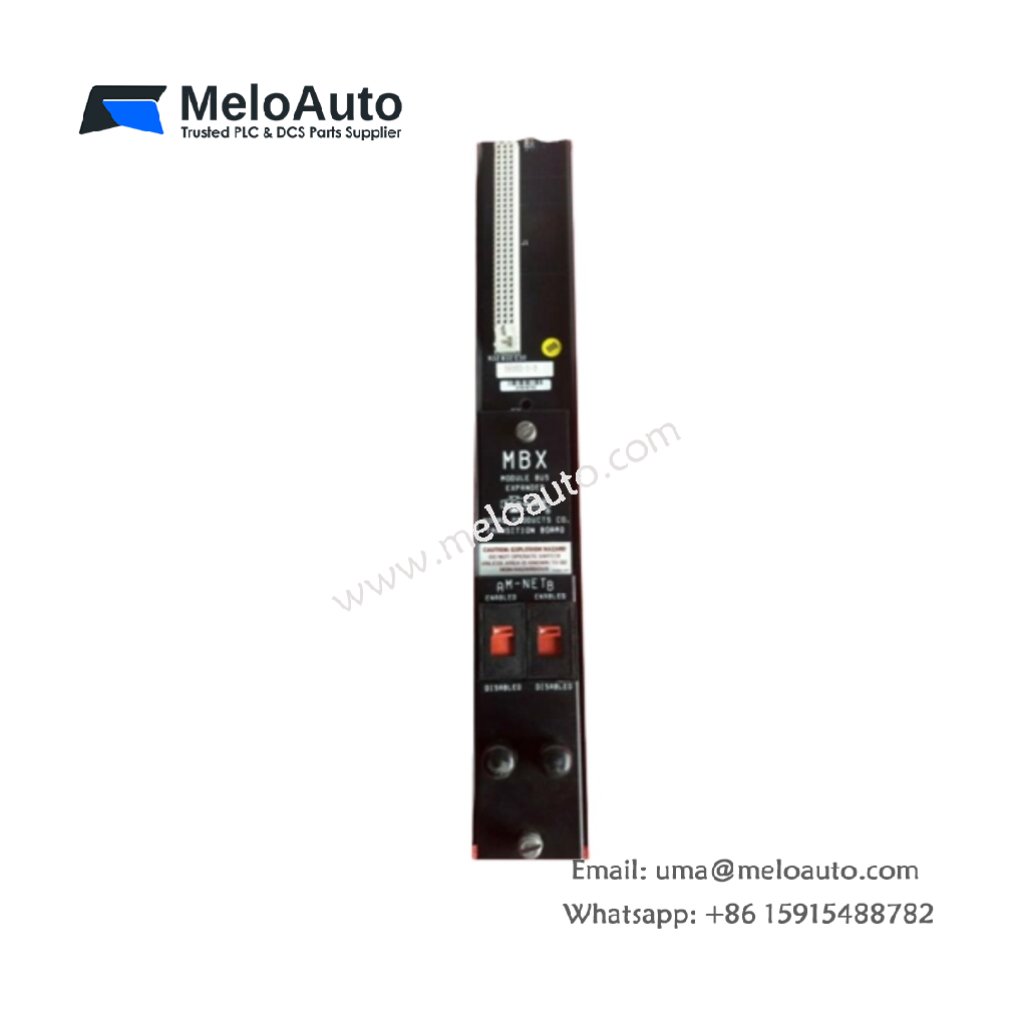
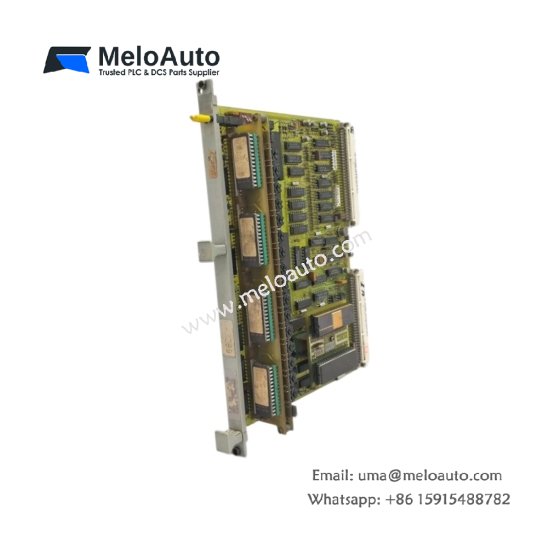
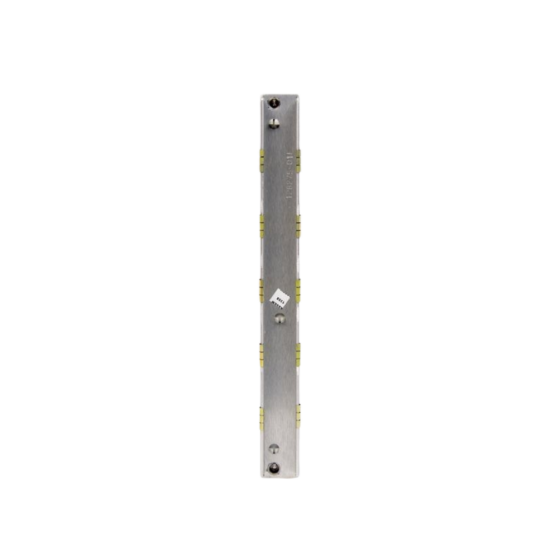
Meet the Siemens 16182-1-3, a dedicated transition board designed for the APACS MBX system platform. This module serves as a crucial interface, facilitating connectivity and signal routing between various system components. Moreover, it ensures reliable electrical and data transitions within the modular APACS architecture. Consequently, engineers rely on it to build stable and scalable control system configurations.
Detailed Technical Specifications
The board provides precise interfacing within a standardized industrial form factor. Below are its key technical parameters for system planning and compatibility verification.
| Parameter | Specification |
|---|---|
| Manufacturer & Model | Siemens 16182-1-3 |
| Compatible System Series | APACS MBX |
| Board Type / Function | Transition Board / Interface Board |
| Primary Role | System Backplane Interface & Signal Conditioning |
| Typical Mounting | APACS MBX Rack or Chassis |
Core Functionality and Application
This transition board manages critical signal paths and power distribution between modules. Therefore, it is essential for expanding I/O capacity or integrating specialized communication cards. Additionally, its design maintains signal integrity and electrical isolation as required by the APACS MBX specifications.
Integrating the 16182-1-3 correctly is fundamental for a robust system backbone. Furthermore, for complete loop protection, system designers should also consider dedicated safety components. For instance, a RMS-TSG-TZ-C Static Trip device can provide reliable overcurrent protection for associated field circuits.
Engineered for Modular System Reliability
Choosing the genuine Siemens 16182-1-3 transition board guarantees mechanical and electrical compatibility. This ensures long-term stability and reduces integration risks within your APACS MBX control system. Ultimately, this board is a key enabling component for achieving a flexible and high-performance automation architecture.







WeChat
Scan the QR Code with wechat