 MeloAuto-Trusted PLC & DCS Parts Supplier
Technical Specifications Overview
| Parameter | Specification |
|---|---|
| Manufacturer | Bently Nevada (GE Measurement & Control) |
| Model Number | 288055-01 3500/22M |
| Product Type | Transient Data Interface (TDI) Module |
| Rack Compatibility | Bently Nevada 3500 Series Chassis |
| Communication Protocol | Ethernet TCP/IP |
| Data Acquisition Modes | Continuous, triggered, and manual |
| Maximum Sampling Rate | 102.4 kS/s per channel |
| Resolution | 16-bit ADC |
| Onboard Memory | 256 MB SDRAM |
| Non-Volatile Storage | 128 MB flash memory |
| Front Panel Ports | RJ45 Ethernet, RS-232 serial |
| Backplane Connector | 24-pin male header |
| Module Dimensions (W x H x D) | 25 mm x 241 mm x 200 mm (1.0″ x 9.5″ x 7.9″) |
| Unit Weight | Approximately 1.0 kg (2.2 lbs) |
| Power Consumption | 15 Watts typical |
| Internal Energy Storage | 100 µF bulk capacitance |
| Data Buffer Capacity | 16 MB per channel |
| Supported File Formats | .dat, .csv, and proprietary Bently formats |
| Recommended Firmware Update | As released by manufacturer |
Functional Overview and Data Acquisition
This module serves as the primary data collection engine for the 3500 Series monitoring platform. It captures high-resolution transient waveforms from all connected monitor modules. The 288055-01 3500/22M then stores this data for subsequent analysis and diagnostic review. Moreover, the module supports multiple acquisition modes for different operational scenarios. For example, you can configure continuous recording for baseline trending. Alternatively, triggered mode captures only critical events like startups or trips. This flexibility ensures you capture relevant data without overwhelming storage capacity.
Communication Architecture and Network Integration
The Bently Nevada 288055-01 3500/22M features a built-in Ethernet port for seamless network connectivity. This interface allows direct communication with plant DCS or condition monitoring software. The module also includes an RS-232 serial port for local configuration and troubleshooting. Furthermore, the Ethernet connection supports standard TCP/IP protocols. Consequently, you can access data remotely from any network workstation. The module also supports time synchronization via NTP servers. This feature ensures all data carries accurate timestamps for event correlation.
Memory Architecture and Data Handling
The module incorporates substantial onboard memory for demanding data acquisition tasks. Its 256 MB SDRAM provides ample buffer space for high-speed transient captures. Additionally, 128 MB of non-volatile flash memory retains critical configuration parameters. The 3500/22M can store up to 16 MB of waveform data per channel. This capacity allows extended recording of startup sequences or transient events. The module also supports automatic data compression to optimize storage efficiency. You can export recorded data in multiple industry-standard formats. This interoperability simplifies integration with third-party analysis tools.
Physical Design and Interface Connectivity
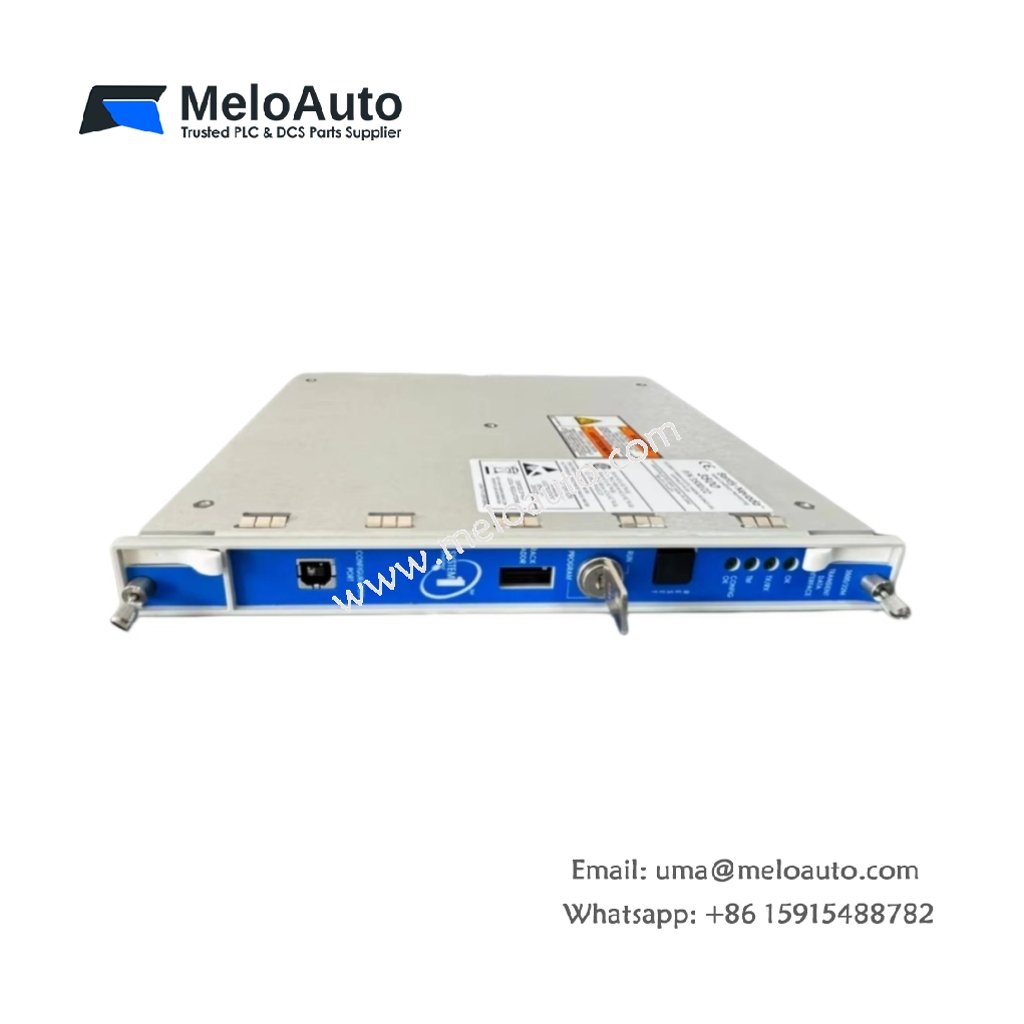
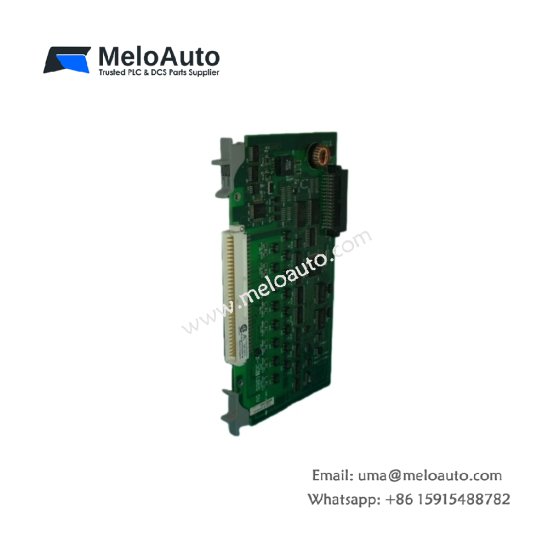
The module occupies a single slot in the 3500 chassis for efficient space utilization. Its compact dimensions of 25 mm x 241 mm x 200 mm (1.0″ x 9.5″ x 7.9″) fit standard rack configurations. The weight of approximately 1.0 kg ensures straightforward handling during installation. The front panel provides an RJ45 Ethernet connector for network access. The RS-232 port offers a direct serial link for maintenance functions. The rear backplane connector handles power distribution and high-speed data bus communication. The integrated 100 µF capacitance provides ride-through during brief power interruptions. This feature prevents data loss during minor electrical disturbances.
Acquisition Modes and Triggering Options
The module supports three primary data acquisition modes for operational flexibility. Continuous mode records waveform data at user-defined intervals for long-term trending. Triggered mode captures high-resolution data based on configurable alarm conditions. Manual mode allows on-demand recording for diagnostic testing purposes. Additionally, the module supports pre-trigger and post-trigger data capture. This capability records events both before and after a trigger condition. Consequently, you gain full context for analyzing transient machine behavior.
Operational Environment and Standards Compliance
The module operates reliably in ambient temperatures from 0°C to +65°C. Storage temperatures range from -40°C to +85°C. The unit also meets CE and RoHS requirements for global deployment. Install the module in a clean, climate-controlled environment. Regular firmware updates ensure optimal performance and feature enhancements.







WeChat
Scan the QR Code with wechat