 MeloAuto-Trusted PLC & DCS Parts Supplier
Scalable I/O Architecture for Distributed Systems
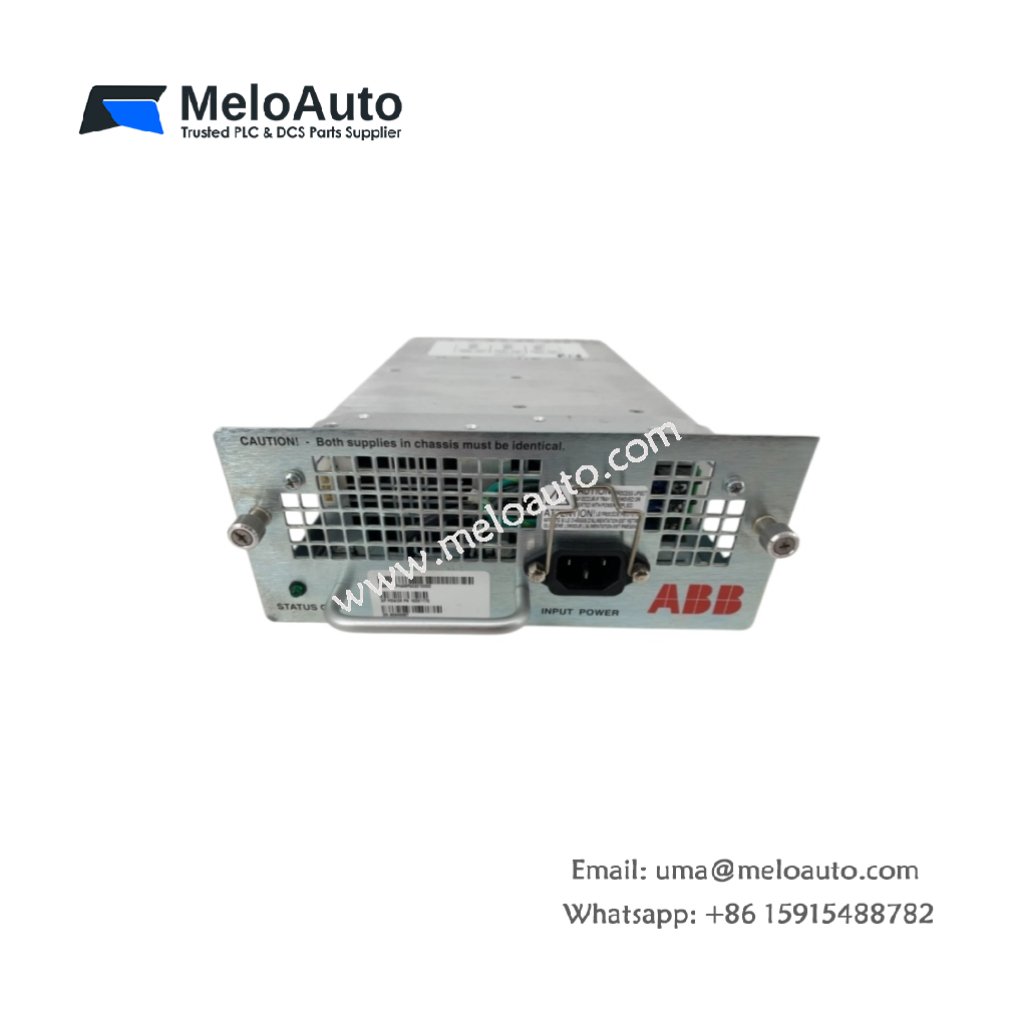
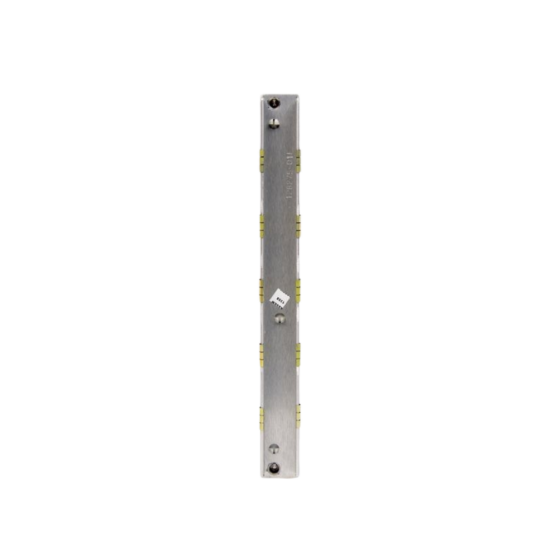
The ABB 1SBP260011R2002 functions as an extension unit within the SMU (S500) product family. This module connects remote I/O stations to the main controller via fieldbus networks. It houses additional input and output modules for system expansion. Engineers select this unit for scalable automation architectures.
Detailed Technical Specifications
This section presents the complete technical parameters of the ABB 1SBP260011R2002. We emphasize precise expansion capabilities and electrical characteristics for accurate system integration. The design prioritizes modularity and distributed processing.
| Specification | Detail |
|---|---|
| Model Number | 1SBP260011R2002 |
| Manufacturer | ABB |
| Product Type | Extension Unit / I/O Expansion Module |
| Series | SMU / S500 |
| Communication Interface | Internal Bus (via Bus Coupler) |
| Maximum I/O Modules | 8 (Per Extension Unit) |
| Maximum I/O Channels | 64 (Depending on Module Types) |
| Bus Connection | 2 x 16-Pin Connectors (Incoming and Outgoing) |
| Power Supply | 24 VDC (External) |
| Current Consumption | 50 mA (Internal Logic) |
| LED Indicators | Power OK, Bus Status, Expansion Status |
| Operating Temperature | 0°C to +55°C |
Physical Dimensions & Weight
Accurate physical data supports proper cabinet layout and DIN rail configuration. The ABB 1SBP260011R2002 features a compact design for efficient space utilization.
-
Dimensions (H x W x D): 114 mm x 60 mm x 75 mm
-
Weight: 0.185 kg
-
Origin: Made in Finland / Sweden (ABB EMEA Manufacturing Facilities)
Expansion Architecture and System Scalability
The extension unit connects to a bus coupler or controller using the internal SMU bus. It provides mounting space for up to eight I/O modules in a single assembly. Users can add multiple extension units to build large distributed systems. This modular approach allows precise matching of I/O capacity to application requirements.
Bus Connection and Daisy-Chain Topology
Two 16-pin connectors provide incoming and outgoing bus connections. The unit links to the previous station through the first connector. It connects to the next extension unit using the second connector. This daisy-chain topology simplifies wiring and reduces cabling costs.
Power Distribution and Field Supply
An external 24 VDC power supply feeds the extension unit and its I/O modules. Internal circuitry distributes power to all installed modules through the backplane. The unit provides isolation between logic power and field power. Consequently, field wiring faults do not affect the bus communication.
Component Layout and Status Indication
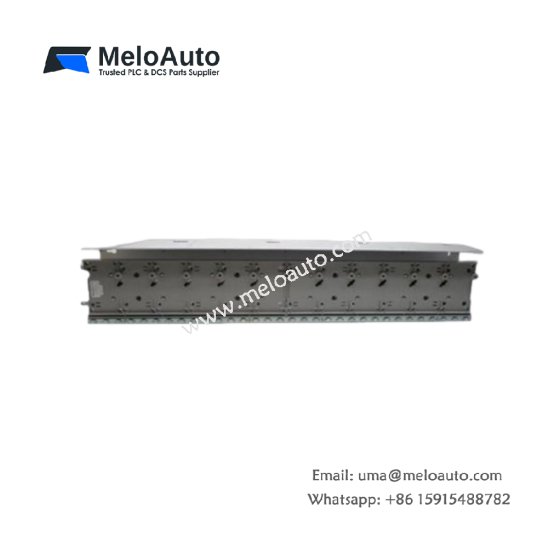
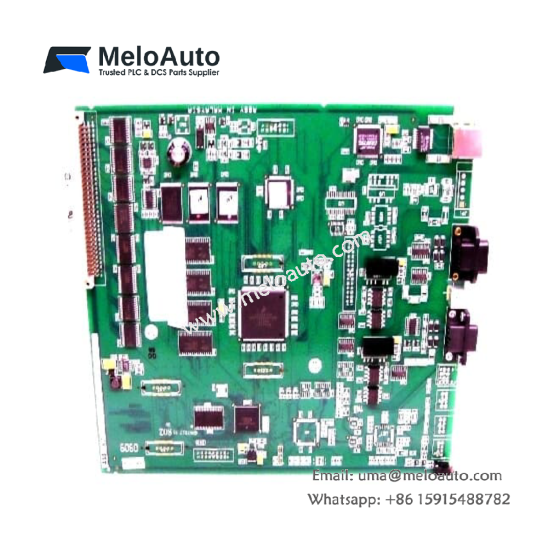
The ABB 1SBP260011R2002 contains a backplane PCB with module connectors and power distribution. Three front-panel LEDs deliver comprehensive status information. A green Power OK LED confirms proper external supply voltage. A Bus Status LED indicates communication with the master controller. An Expansion Status LED shows the connection integrity to subsequent units.
Installation and DIN Rail Mounting
Mounting this unit requires a standard 35 mm DIN rail for secure installation. A locking mechanism holds the unit firmly in place without tools. Users can attach up to eight I/O modules directly onto the extension unit. This integrated design eliminates separate backplane hardware.
Energy Requirements and System Efficiency
The unit draws only 50 mA for internal logic operation from the external supply. Most power consumption comes from the installed I/O modules. Users can calculate total power requirements based on module selections. Efficient power distribution minimizes energy waste in the cabinet.
Manufacturer Quality Standards
ABB manufactures the 1SBP260011R2002 under strict quality control protocols. Each unit undergoes comprehensive testing for bus communication and power distribution. Therefore, users receive a product ready for immediate deployment. This commitment to quality aligns with industrial automation reliability expectations.







WeChat
Scan the QR Code with wechat