 MeloAuto-Trusted PLC & DCS Parts Supplier
Rising Energy Demand Drives the Need for Battery Storage Automation
Global electricity demand has reached unprecedented levels due to electrification, digital infrastructure, and renewable integration.
In 2023, global battery energy storage capacity increased by over 40 GW, yet storage remains under 2% of total power generation.
Moreover, in the U.S., utility-scale storage grew by 66% in 2024, with nearly 20 GW more planned for 2025.
As a result, grid operators face increasing pressure to maintain reliability and minimize operational costs.
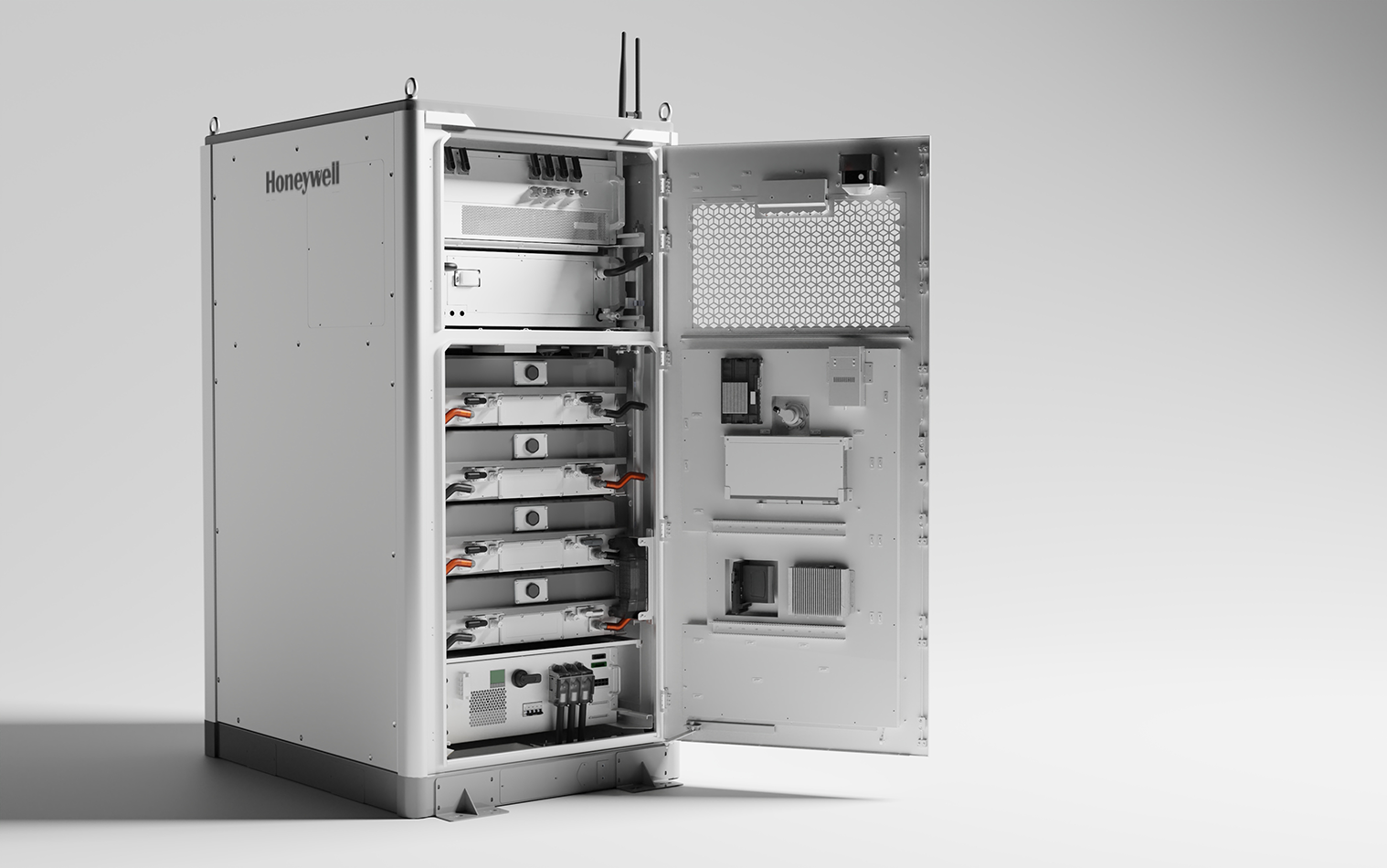
Advanced battery storage automation stabilizes energy supply, reduces peak costs, and supports industrial and utility operations with intelligent control systems.
Why Automation Is Critical for Energy Storage Systems
Standalone batteries provide short-term backup during outages, but automated BESS offer strategic scheduling and active control.
Automation uses advanced software, analytics, and secure connectivity to optimize charging, discharging, and energy dispatch.
Moreover, automation enhances three critical areas: predictable performance, maximum uptime, and actionable operational insights.
Therefore, automated storage transforms batteries into active reliability assets, supporting both grid operators and facility managers.
Global Examples of Automated Battery Storage in Action
In India’s Lakshadweep Islands, a 1.4 MWh automated BESS replaced diesel generators, ensuring continuous power supply.
Meanwhile, in the U.S. Virgin Islands, Honeywell deployed a 124 MWh BESS across six solar parks to supply nearly 30% of island demand.
In Romania, a manufacturing campus uses a microgrid combining solar PV, BESS, and backup generators, controlled by automation systems.
These cases demonstrate that automation enables storage to reliably stabilize grids, reduce outages, and integrate renewables.
Operational Benefits for Commercial and Industrial Users
Automated BESS reduce peak demand costs by charging during low-demand periods and discharging during peak hours.
Moreover, backup power ensures seamless continuity during outages and protects sensitive equipment from damage.
Automation also captures excess energy from onsite generation for later use, enhancing renewable integration.
Furthermore, modular systems scale from small server rooms to multi-megawatt facilities, offering flexibility across industries.
Advanced Automation Extends Storage Value and Reliability
Automation monitors battery performance, optimizes charging cycles, and prevents degradation through predictive analytics.
Integrated platforms like Honeywell Ionic combine storage, control, and analytics into a single operational system.
As a result, industrial plants, hospitals, and data centers gain reliable operations with reduced reliance on diesel backup.
Moreover, automated coordination across sites ensures storage systems deliver power when and where it is most needed.
Diverse Storage Solutions Require Intelligent Automation
Lithium-ion batteries offer high energy density and rapid response, ideal for peak shaving and short-term reliability.
Flow batteries and long-duration storage provide extended backup during multi-hour outages.
Microgrids enable campuses and communities to independently manage energy flows during disruptions.
Additionally, distributed energy systems, including rooftop solar with storage, reduce dependence on the main grid.
Virtual power plants aggregate distributed resources, and automation ensures coordinated scheduling and cybersecurity protection.
Future Outlook for Battery Storage Automation
By 2030, over 400 “super factories” are planned worldwide, with utilities expanding large-scale storage deployments.
However, reliability depends not only on installed capacity but also on automation sophistication.
Automated systems respond instantly to market signals, weather events, or equipment faults, enabling proactive maintenance.
Moreover, real-time analytics guide operators, maintain stable operations, and protect storage assets from cyber risks.
Therefore, organizations adopting automated storage can stabilize operations, control costs, and enhance resilience in a dynamic energy landscape.
Applications and Use Cases
- Industrial Facilities: Maintain production during outages and optimize renewable integration.
- Hospitals and Critical Infrastructure: Ensure continuous power for essential services.
- Data Centers: Reduce reliance on diesel generators while improving reliability.
- Utilities: Provide peak-shaving, frequency regulation, and grid stabilization.
- Microgrids and Distributed Energy: Coordinate storage and renewable assets across multiple sites.

WeChat
Scan the QR Code with wechat